Your Professional Veneered Board Supplier
WADA GROUP, founded in 2010, is a manufacturer with more than fifteen years of steady growth in the wood products industry. We operate three factories in Xuzhou and Lianyungang, supported by two trading firms in China and branch offices in Japan and Singapore. Our team includes skilled production staff, a strong quality inspection team, and an efficient sales team. Our facilities and processes help us deliver consistent quality and reliable service to customers worldwide
-
![White Primed MDF Boards]() White Primed MDF BoardsPrimed boards often face issues such as uneven coating, poor paint absorption, and visible sanding marks. We solve this through high-density MDF core and dual-layer primer coating system. Density 720-780kg/m³ ensures stable paint-readyread more
White Primed MDF BoardsPrimed boards often face issues such as uneven coating, poor paint absorption, and visible sanding marks. We solve this through high-density MDF core and dual-layer primer coating system. Density 720-780kg/m³ ensures stable paint-readyread more -
![UV High Gloss MDF Board]() UV High Gloss MDF BoardHigh gloss panels often face orange peel texture, uneven reflection, and visible scratching. We solve this through UV curing coating systems and high-density MDF substrate control. Density 720-780kg/m³ ensures stable surface finishingread more
UV High Gloss MDF BoardHigh gloss panels often face orange peel texture, uneven reflection, and visible scratching. We solve this through UV curing coating systems and high-density MDF substrate control. Density 720-780kg/m³ ensures stable surface finishingread more -
![Slatwall MDF For Retail Display]() Slatwall MDF For Retail DisplayRetail display systems often face issues like slot cracking, load deformation, and surface wear. We solve these through high-density MDF structure and precision CNC grooving. Density 730-780kg/m³ ensures stable performance under frequentread more
Slatwall MDF For Retail DisplayRetail display systems often face issues like slot cracking, load deformation, and surface wear. We solve these through high-density MDF structure and precision CNC grooving. Density 730-780kg/m³ ensures stable performance under frequentread more -
![Oak Veneer MDF Sheets]() Oak Veneer MDF SheetsVeneer cracking, color inconsistency, and surface bubbling often create rework in furniture production. We control these issues through selected oak veneers, stable MDF cores, and calibrated hot pressing. Veneer thickness ranges fromread more
Oak Veneer MDF SheetsVeneer cracking, color inconsistency, and surface bubbling often create rework in furniture production. We control these issues through selected oak veneers, stable MDF cores, and calibrated hot pressing. Veneer thickness ranges fromread more -
![Melamine Faced MDF Panels]() Melamine Faced MDF PanelsSurface bubbling, edge chipping, and batch inconsistency can slow furniture production. We address these issues through high-density MDF cores, synchronized melamine pressing, and calibrated sanding. Density reaches 720-780kg/m³ withread more
Melamine Faced MDF PanelsSurface bubbling, edge chipping, and batch inconsistency can slow furniture production. We address these issues through high-density MDF cores, synchronized melamine pressing, and calibrated sanding. Density reaches 720-780kg/m³ withread more -
![MDF For Interior Skirting Boards]() MDF For Interior Skirting BoardsSkirting boards often face issues like edge swelling, surface impact damage, and deformation after installation. We solve this through high-density MDF structure and moisture-resistant treatment. Density 730-780kg/m³ ensures stableread more
MDF For Interior Skirting BoardsSkirting boards often face issues like edge swelling, surface impact damage, and deformation after installation. We solve this through high-density MDF structure and moisture-resistant treatment. Density 730-780kg/m³ ensures stableread more -
![Grooved MDF For Wall Decoration]() Grooved MDF For Wall DecorationWall decoration panels often face uneven grooves, edge cracking, and surface delamination. We solve this through high-density MDF structure and multi-blade grooving control. Density 720-780kg/m³ ensures stable performance in decorativeread more
Grooved MDF For Wall DecorationWall decoration panels often face uneven grooves, edge cracking, and surface delamination. We solve this through high-density MDF structure and multi-blade grooving control. Density 720-780kg/m³ ensures stable performance in decorativeread more -
![Double Sided Melamine MDF]() Double Sided Melamine MDFDouble sided panels often face issues such as poor surface durability, edge chipping, and inconsistent color batches. We solve this through dual-side lamination and high-density MDF core control. Density 720-780kg/m³ ensures stableread more
Double Sided Melamine MDFDouble sided panels often face issues such as poor surface durability, edge chipping, and inconsistent color batches. We solve this through dual-side lamination and high-density MDF core control. Density 720-780kg/m³ ensures stableread more -
![Walnut Veneer MDF Sheets]() Walnut Veneer MDF SheetsSort veneer first. Press at 1.0–1.3 MPa.Keep tone tight. Reduce edge lift after cutting.Species: Natural Walnut Veneer / MDF CoreStandard Size: 1220×2440mmCertification: FSC / CARB P2Glue: E0 / E1read more
Walnut Veneer MDF SheetsSort veneer first. Press at 1.0–1.3 MPa.Keep tone tight. Reduce edge lift after cutting.Species: Natural Walnut Veneer / MDF CoreStandard Size: 1220×2440mmCertification: FSC / CARB P2Glue: E0 / E1read more -
![Walnut MDF Sheets]() Walnut MDF SheetsControl starts at fiber. Press at 1.0–1.25 MPa.Keep panels flat. Cut clean. No edge breakout.Species: Walnut Decor Paper / MDF CoreStandard Size: 1220×2440mmCertification: FSC / CARB P2Glue: E0 / E1read more
Walnut MDF SheetsControl starts at fiber. Press at 1.0–1.25 MPa.Keep panels flat. Cut clean. No edge breakout.Species: Walnut Decor Paper / MDF CoreStandard Size: 1220×2440mmCertification: FSC / CARB P2Glue: E0 / E1read more -
![Oak Veneer Furniture Board]() Oak Veneer Furniture BoardVeneer grading first. Pressing under 0.9–1.2 MPa.Keep grain flow consistent across panels. Reduce mismatch at assembly.Species: Natural Oak Veneer / MDF or Plywood CoreStandard Size: 1220×2440mmCertification: FSC / CARB P2Glue: E0 / E1read more
Oak Veneer Furniture BoardVeneer grading first. Pressing under 0.9–1.2 MPa.Keep grain flow consistent across panels. Reduce mismatch at assembly.Species: Natural Oak Veneer / MDF or Plywood CoreStandard Size: 1220×2440mmCertification: FSC / CARB P2Glue: E0 / E1read more -
![Oak Veneer Chipboard]() Oak Veneer ChipboardSort veneer first. Control chip layers. Press at 1.0–1.2 MPa.Tighter face. Better edge hold. Less breakout on CNC.Species: Natural Oak Veneer / Particleboard CoreStandard Size: 1220×2440mmCertification: FSC / CARB P2Glue: E0 / E1read more
Oak Veneer ChipboardSort veneer first. Control chip layers. Press at 1.0–1.2 MPa.Tighter face. Better edge hold. Less breakout on CNC.Species: Natural Oak Veneer / Particleboard CoreStandard Size: 1220×2440mmCertification: FSC / CARB P2Glue: E0 / E1read more


Why choose us
Our Certificate
We hold EUDR, EPA, JAS, JIS, CARB P2(EPA), and FSC certifications, meeting key international standards required by global buyers.
Reliable Quality Control
An independent laboratory and strict inspection process allow us to monitor performance and maintain product accuracy.
Flexible Customization
We provide tailored LVL, bed slats, plywood, and other engineered wood products based on customer specifications.
Sales Market
100% of our products are exported to over 50 countries, covering Japan, North America, Europe, South America, Australia, and Southeast Asia.

Melamine faced Boards are created by high pressure heat bonding of resin impregnated decorative paper to either a particleboard or MDF in order to provide a highly impact and scratch resistant product with a surface finish. This product can be used for a wide range of applications including kitchen cabinets, bathroom cabinets, bedroom closets, and office furniture.
|
Species |
Poplar / Eucalyptus |
|
Packaging |
Standard export pallet packing |
|
Size |
1220x2440mm, customized available |
|
MOQ |
1x20ft container |
|
Certification |
CE, FSC, CARB, ISO9001 |
|
Moisture Content |
8–12% |
|
Glue Grade |
E0 / E1 / WBP |
|
Density |
600–720 kg/m³ |
|
Formaldehyde Emission |
E0 / E1 standard |
|
Monthly Supply |
5000 m³ |
|
Surface Options |
Glossy, matte, embossed |
|
Usage |
Cabinets, wardrobes, shelves, furniture |
Features of Melamine Faced Boards

Durability
Scratch Resistance: The melamine surface is highly resistant to scratches, making it suitable for surfaces subject to wear and tear.
Heat and Stain Resistance: Melamine facing provides a surface that is resistant to heat and staining, enhancing the longevity of the board.
Moisture Resistance: The sealed surface prevents moisture penetration, which is particularly useful in kitchen and bathroom applications.
Aesthetic Variety
Wide Range of Finishes: MFB comes in numerous colors, patterns, and textures, including wood grain, solid colors,and abstract designs.
Consistent Finish: Unlike natural wood, MFB offers a uniform appearance without the variability of natural grain patterns.


Cost-Effectiveness
Affordable: Melamine faced boards are less expensive than solid wood or veneer-faced products, providing a cost-effective solution for many applications.
Low Maintenance: The easy-to-clean surface reduces maintenance costs over time.
Versatility
Various Applications: Used in kitchen cabinets, wardrobes, office furniture, shelving, and wall paneling.
Customizable Edges: Can be finished with edge banding to cover the raw edges and provide a polished look.

Advantages of Melamine Faced Boards
Eco-Friendly
Often made from recycled wood products, reducing environmental impact.
Ease of Installation
Can be easily cut, drilled, and shaped with standard woodworking tools.
Hygienic
The non-porous surface prevents bacteria and mold growth, making it suitable for hygienic environments.
Types of Melamine Faced Board
Thermal-fused or Low-pressure Melamine
This type of melamine is created by fusing a melamine-impregnated paper onto a substrate using heat and pressure. The substrate can be made of materials such as particleboard, MDF (medium-density fiberboard), or plywood. Low-pressure melamine is typically used in the production of ready-to-assemble furniture, store fixtures, and cabinets. It is available in a range of colours, patterns, and textures and is known for its affordability, durability, and ease of maintenance.
Vertical-grade Melamine
Vertical-grade melamine is made by laminating a thin layer of melamine paper onto a substrate using heat and pressure. The substrate is typically made of particleboard or MDF, and the resulting panel is relatively thin and lightweight. Vertical-grade melamine is commonly used for interior wall panels, partitions, and doors, as it is highly resistant to scratches, stains, and impact. It is available in a range of solid colours and wood grain patterns, making it suitable for a variety of design applications.
Horizontal-grade Melamine
Horizontal-grade melamine is similar to vertical-grade melamine, but it is typically thicker and more durable. It is used for horizontal surfaces such as tabletops, countertops, and desktops, where it is exposed to more wear and tear. Horizontal-grade melamine is available in a range of colours, patterns, and textures, and is highly resistant to scratches, stains, and heat. It is often used in commercial and institutional settings such as schools, hospitals, and offices, where durability and ease of maintenance are critical.
Standard Melamine Faced Panels
These panels are made of particleboard or MDF substrate with a decorative melamine paper layer on the surface. They are available in a wide range of colours, patterns, and textures, making them ideal for various applications such as furniture, cabinetry, and wall panels.
High-Pressure Laminate (HPL) Melamine Faced Panels
These panels are made by bonding several layers of kraft paper impregnated with melamine resin under high pressure and temperature onto a substrate. The resulting panel is extremely durable, resistant to scratches, impact, and wear, and suitable for high-traffic areas such as commercial and institutional interiors.
Compact Laminate Melamine Faced Panels
Similar to HPL panels, compact laminate panels are made of multiple layers of kraft paper impregnated with melamine resin. However, they are manufactured using a higher pressure and temperature process, resulting in a denser, more durable panel that is resistant to water, heat, and chemicals. These panels are commonly used in wet environments such as bathrooms, locker rooms, and healthcare facilities.
Fire-Retardant Melamine Faced Panels
These panels are treated with a fire-retardant additive during the manufacturing process, making them resistant to fire and smoke. They are commonly used in public buildings, such as schools, hospitals, and hotels, where fire safety is a critical concern.
Moisture-Resistant Melamine Faced Panels
These panels are treated with a moisture-resistant additive, making them ideal for use in humid environments such as kitchens, bathrooms, and laundry rooms. They are available in a variety of colours and textures, making them suitable for a range of design applications.
Applications of Melamine Faced Boards
Cabinets and Drawers: Commonly used in kitchen and bathroom cabinetry due to its resistance to moisture and ease of cleaning.
Wardrobes and Closets: Provides a sleek, modern look with durable surfaces.
Office Desks and Shelving: Suitable for office environments where durability and ease of maintenance are important.
Wall Panels: Used for decorative wall cladding, providing a variety of aesthetic options.
Partitions: Employed in creating partitions in commercial spaces due to their durability and customizable finishes.
Displays and Fixtures: Used in retail displays and fixtures where a combination of aesthetics and durability is needed.

Substrate: Typically made from chipboard or MDF. MDF provides a smoother finish and better durability than particleboard.
Melamine Layer: A decorative paper soaked in melamine resin is applied to the substrate using heat and pressure. This creates a hard, durable surface that is permanently bonded to the board.
Installation Precautions
Tool Selection: Use specialized cutting tools (such as precision saws or laser cutters) to avoid edge chipping caused by ordinary tools.
Cutting Direction: Cut along the grain of the board to reduce stress concentration and lower the risk of cracking.
Edge Sealing: Immediately after cutting, seal the edges (e.g., with PVC edge banding or hot melt adhesive) to prevent moisture penetration and expansion. The edge banding color should match the finish for aesthetic purposes.
Adhesive Type Matching: Select a specialized adhesive based on the board substrate (e.g., MDF, particleboard) to ensure strong bonding.
Even Adhesive Application: Apply an appropriate amount of adhesive to avoid over-application that could contaminate the finish or insufficient application that could affect bonding.
Curing Time: Control the curing time according to the adhesive instructions. Avoid moving or applying pressure before complete curing.
Hardware Selection: Use specialized connectors (such as three-in-one connectors or eccentric wheels) to avoid cracking of the board caused by ordinary screws.
Pre-drilling: Holes must be pre-drilled before installing screws. The hole diameter should be slightly smaller than the screw diameter to prevent edge chipping of the board.
Load-bearing design: The load-bearing structure should be designed reasonably according to the board thickness (e.g., 18mm) to avoid deformation caused by long-term overloading.
Certificates


FAQ
We're well-known as one of the leading veneered board manufacturers and suppliers in China. Please feel free to buy customized veneered board at competitive price from our factory. For free sample, contact us now.
-
![Waterproof SPC Flooring]() Waterproof SPC FlooringMoisture exposure, swelling at joints, and surface wear can create additional maintenance work for flooring projects.read more
Waterproof SPC FlooringMoisture exposure, swelling at joints, and surface wear can create additional maintenance work for flooring projects.read more -
![Rigid Core SPC Flooring]() Rigid Core SPC FlooringMoisture exposure, swelling at joints, and surface wear can create additional maintenance work for flooring projects.read more
Rigid Core SPC FlooringMoisture exposure, swelling at joints, and surface wear can create additional maintenance work for flooring projects.read more -
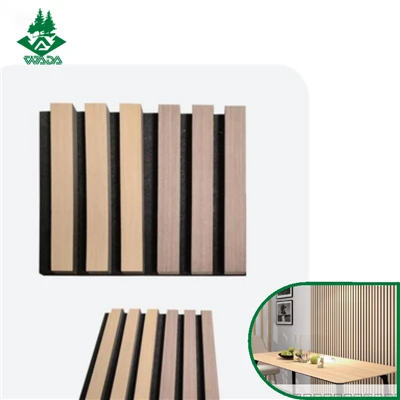
![Acoustic Wood Wall Panels]() Acoustic Wood Wall PanelsHard wall surfaces can create sound reflection, echo, and inconsistent interior finishes. We manufacture Acoustic Woodread more
Acoustic Wood Wall PanelsHard wall surfaces can create sound reflection, echo, and inconsistent interior finishes. We manufacture Acoustic Woodread more -
![Acoustic Slat Wall Panels]() Acoustic Slat Wall PanelsOpen wall surfaces can create echo, hard sound reflection, and visual gaps between decorative elements. We manufactureread more
Acoustic Slat Wall PanelsOpen wall surfaces can create echo, hard sound reflection, and visual gaps between decorative elements. We manufactureread more -
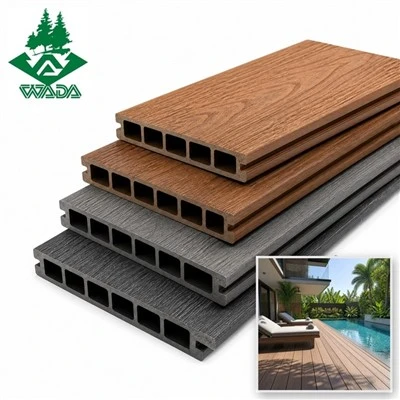
![Outdoor Composite Decking Boards]() Outdoor Composite Decking BoardsMaintenance-free WPC decking from 100% virgin materials — Class B1 fire rated, anti-slip, and built for pools, gardensread more
Outdoor Composite Decking BoardsMaintenance-free WPC decking from 100% virgin materials — Class B1 fire rated, anti-slip, and built for pools, gardensread more -
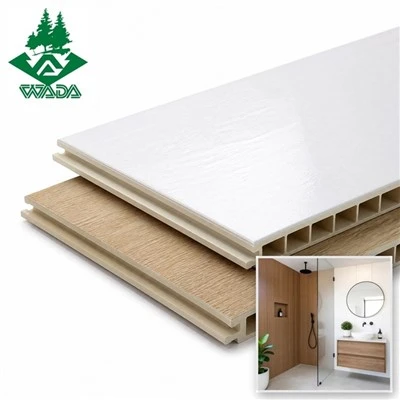
![WPC Wall Panel For Bathroom]() WPC Wall Panel For Bathroom100% waterproof WPC bathroom wall panels — mold resistant, easy to clean, quick to install with fewer joints thanread more
WPC Wall Panel For Bathroom100% waterproof WPC bathroom wall panels — mold resistant, easy to clean, quick to install with fewer joints thanread more