Your Professional MDF Supplier
WADA GROUP, founded in 2010, is a manufacturer with more than fifteen years of steady growth in the wood products industry. We operate three factories in Xuzhou and Lianyungang, supported by two trading firms in China and branch offices in Japan and Singapore. Our team includes skilled production staff, a strong quality inspection team, and an efficient sales team. Our facilities and processes help us deliver consistent quality and reliable service to customers worldwide
-
![Ultra Thin 3mm MDF Sheets]() Ultra Thin 3mm MDF SheetsWarping, edge breakout, and thickness variation are common with thin panels. We control these issues through refined fiber distribution, dedicated thin-board pressing, and double-side calibration sanding. Density reaches 720-780kg/m³ withread more
Ultra Thin 3mm MDF SheetsWarping, edge breakout, and thickness variation are common with thin panels. We control these issues through refined fiber distribution, dedicated thin-board pressing, and double-side calibration sanding. Density reaches 720-780kg/m³ withread more -
![Moisture Resistant MDF For Kitchen]() Moisture Resistant MDF For KitchenSteam exposure, swollen edges, and laminate failure are common in kitchen cabinetry. We control these risks through moisture-resistant resin systems, dense fiber construction, and low moisture-content processing. Density reachesread more
Moisture Resistant MDF For KitchenSteam exposure, swollen edges, and laminate failure are common in kitchen cabinetry. We control these risks through moisture-resistant resin systems, dense fiber construction, and low moisture-content processing. Density reachesread more -
![MDF For Laser Cutting Crafts]() MDF For Laser Cutting CraftsLaser cutting issues often include burnt edges, burrs, and dimension drift. We solve this through fine fiber uniformity and controlled low-density pressing. Density is stabilized at 680-750kg/m³ for precise engraving applications.Woodread more
MDF For Laser Cutting CraftsLaser cutting issues often include burnt edges, burrs, and dimension drift. We solve this through fine fiber uniformity and controlled low-density pressing. Density is stabilized at 680-750kg/m³ for precise engraving applications.Woodread more -
![Low Formaldehyde MDF E1]() Low Formaldehyde MDF E1Indoor panels often face issues like unstable formaldehyde emission, odor residue, and failing environmental standards. We solve this through E1-grade low-emission resin and high-density fiber pressing control. Density 720-780kg/m³ ensuresread more
Low Formaldehyde MDF E1Indoor panels often face issues like unstable formaldehyde emission, odor residue, and failing environmental standards. We solve this through E1-grade low-emission resin and high-density fiber pressing control. Density 720-780kg/m³ ensuresread more -
![Fire Retardant MDF Board]() Fire Retardant MDF BoardFailed fire ratings, panel movement, and project rework can delay installation schedules. We address these issues through integrated fire-retardant treatment, uniform fiber distribution, and 5-8MPa hot pressing. Density remains atread more
Fire Retardant MDF BoardFailed fire ratings, panel movement, and project rework can delay installation schedules. We address these issues through integrated fire-retardant treatment, uniform fiber distribution, and 5-8MPa hot pressing. Density remains atread more -
![E0 Grade Furniture MDF]() E0 Grade Furniture MDFEdge chipping, formaldehyde concerns, and panel movement often appear after furniture assembly. We control these issues through low-emission resin systems, uniform fiber distribution, and 5-7MPa hot pressing. Density stays at 680-780kg/m³read more
E0 Grade Furniture MDFEdge chipping, formaldehyde concerns, and panel movement often appear after furniture assembly. We control these issues through low-emission resin systems, uniform fiber distribution, and 5-7MPa hot pressing. Density stays at 680-780kg/m³read more -
![CARB P2 MDF Board]() CARB P2 MDF BoardFormaldehyde compliance risk, edge swelling, and batch inconsistency are common export issues. CARB P2 system with high-density fiber pressing ensures controlled emissions and stability. Density 720-780kg/m³ for regulated furnitureread more
CARB P2 MDF BoardFormaldehyde compliance risk, edge swelling, and batch inconsistency are common export issues. CARB P2 system with high-density fiber pressing ensures controlled emissions and stability. Density 720-780kg/m³ for regulated furnitureread more -
![Color MDF Board]() Color MDF BoardColor MDF board provides a stylish solution with consistent density, vibrant colors, and excellent durability. Perfect for modern furniture, decoration, and wall cladding.. . Species: Poplar / Pine / Mixed hardwood. Size: 1220×2440mm,read more
Color MDF BoardColor MDF board provides a stylish solution with consistent density, vibrant colors, and excellent durability. Perfect for modern furniture, decoration, and wall cladding.. . Species: Poplar / Pine / Mixed hardwood. Size: 1220×2440mm,read more -
![Custom MDF Board]() Custom MDF BoardCustom MDF board offers smooth surface, uniform density, and easy machinability, making it ideal for furniture, decoration, and interior design.. . Species: Poplar / Pine / Mixed hardwood. Size: 1220×2440mm, thickness 2-25mm.read more
Custom MDF BoardCustom MDF board offers smooth surface, uniform density, and easy machinability, making it ideal for furniture, decoration, and interior design.. . Species: Poplar / Pine / Mixed hardwood. Size: 1220×2440mm, thickness 2-25mm.read more -
![Moisture Resistance Green MDF Board]() Moisture Resistance Green MDF BoardMoisture resistance green MDF board is engineered for durability and stability, offering reliable performance in environments where resistance to humidity is essential.. . Wood Species:Poplar/Birch. Size:1220x2440mm /Custom.read more
Moisture Resistance Green MDF BoardMoisture resistance green MDF board is engineered for durability and stability, offering reliable performance in environments where resistance to humidity is essential.. . Wood Species:Poplar/Birch. Size:1220x2440mm /Custom.read more -
![MDF Plain Board]() MDF Plain BoardPlain MDF (Medium Density Fiberboard) is an engineered wood product made by compressing wood fibers with resin under heat and pressure. It offers a smooth surface, uniform density, and consistent quality, making it one of the most widelyread more
MDF Plain BoardPlain MDF (Medium Density Fiberboard) is an engineered wood product made by compressing wood fibers with resin under heat and pressure. It offers a smooth surface, uniform density, and consistent quality, making it one of the most widelyread more


Why choose us
Our Certificate
We hold EUDR, EPA, JAS, JIS, CARB P2(EPA), and FSC certifications, meeting key international standards required by global buyers.
Reliable Quality Control
An independent laboratory and strict inspection process allow us to monitor performance and maintain product accuracy.
Flexible Customization
We provide tailored LVL, bed slats, plywood, and other engineered wood products based on customer specifications.
Sales Market
100% of our products are exported to over 50 countries, covering Japan, North America, Europe, South America, Australia, and Southeast Asia.

Medium-density fibreboard (MDF) is made of wood chips, wood dust, and wood pulp blended together with resin and wax to form an even sheet. The smaller composite materials used in MDF create a smoother surface. Besides, it’s easier to work with MDF than other wood panels, making it a favorite among DIYers.
|
Thickness |
3–25mm |
|
Size |
1220×2440mm |
|
Density |
720–750kg/m³ |
|
Glue |
E0 / E1 |
|
MOQ |
1×40HQ |
|
Monthly |
4000m³ |
Cost-Effectiveness
One of the primary reasons for MDF's widespread adoption is its cost-effectiveness. As it's made from recycled wood fibers and sawmill waste, it's more affordable than solid wood panels while still offering excellent performance.
Consistent Quality
With its manufactured, uniform composition, MDF provides a consistent quality that can be difficult to achieve with natural wood products. This consistency is crucial for mass-production applications where dimensional accuracy and a smooth finish are essential.
Versatility
MDF can be used in a wide range of applications, from furniture and cabinetry to construction, flooring, and even signage. Its strength, workability, and smooth surface make it suitable for various projects.
Environmental Benefits
While not a purely sustainable product due to the resin binders used, MDF does offer environmental advantages over solid wood panels by utilising recycled wood fibres and sawmill waste. reducing the need for solid timber.


Type of MDF Plain Board
Standard MDF: The most common type, with a density ranging from 600-800 kg/m³. It offers a good balance of strength, affordability, and workability for general-purpose use.
Moisture-Resistant MDF: Also known as MRMDF, this type features increased moisture resistance through the addition of resins or wax additives, making it better suited for areas with higher humidity or moisture exposure.
Fire Retardant MDF: Treated with fire-resistant chemicals during manufacturing, this type of MDF meets fire safety standards for building materials and construction applications.
High-Density Fiberboard (HDF)
With a density exceeding 800 kg/m³, HDF is exceptionally hard and durable, making it ideal for heavy-duty applications like flooring, stair treads, and worktops.
Ultra-Light MDF
On the other end of the spectrum, ultra-light MDF has a density below 500 kg/m³, offering superior insulation properties and easy workability for applications like door cores and sound-absorbing panels.
Veneered MDF
These panels have a thin wood veneer laminated onto one or both sides, providing the aesthetic of real wood while benefiting from MDF's stability and smooth core.
Melamine MDF
Featuring a melamine resin surface on one or both sides, these panels have enhanced moisture, stain, and scratch resistance compared to raw MDF.
Applications of MDF Plain Board
Furnishing of residential as well as commercial construction: MDF’s smooth surface and ease of shaping make it ideal for crafting stylish and durable furniture for both homes and offices, offering a modern, cost-effective solution.
Cabinets and shelves: MDF’s strength and smooth finish make it perfect for crafting custom cabinets and shelves, ensuring they are durable and easy to paint or laminate for a professional look.
Roofing materials: MDF is used in roofing for underlayment, soundproofing, and decorative ceiling panels, offering durability and a sleek finish for both residential and commercial applications.
Decorative items: Thanks to its smooth texture and versatility, MDF is widely used in making decorative pieces like frames, moldings, and wall panels, providing an affordable way to add intricate designs.
Doors and frames: MDF doors and frames are stable, resistant to warping, and can be molded into various designs, making them a popular choice for both modern and traditional interiors.
Flooring: MDF is commonly used in engineered wood flooring, offering a solid base for decorative finishes and soundproofing, ideal for both residential and commercial spaces.
Soundproofing: Due to its dense composition, MDF is effective for soundproofing, helping reduce noise in walls, floors, and ceilings, making it perfect for noise-sensitive environments.
The Manufacturing Process Of MDF Plain Board
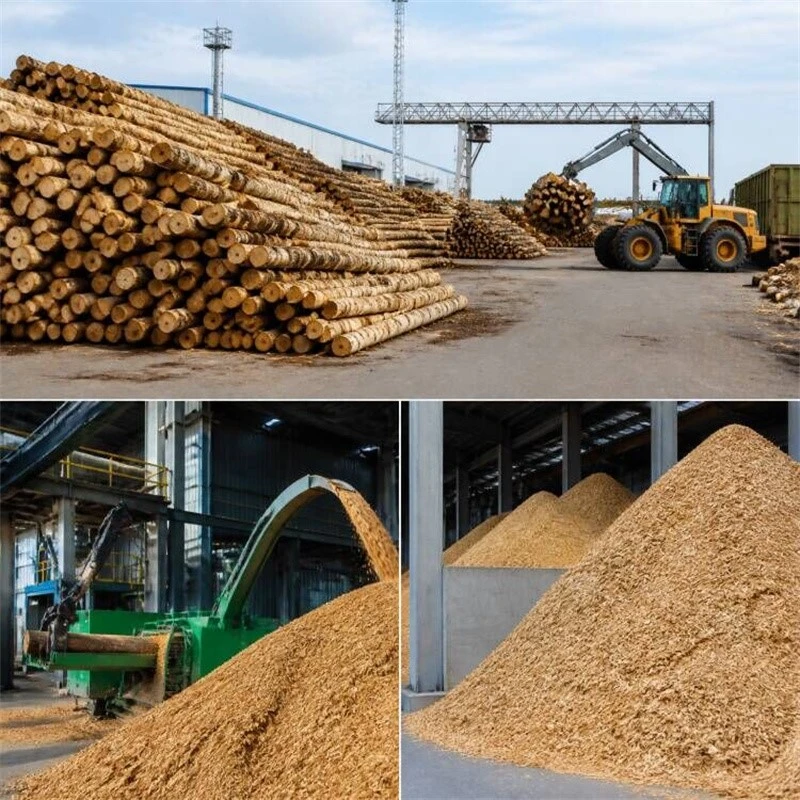
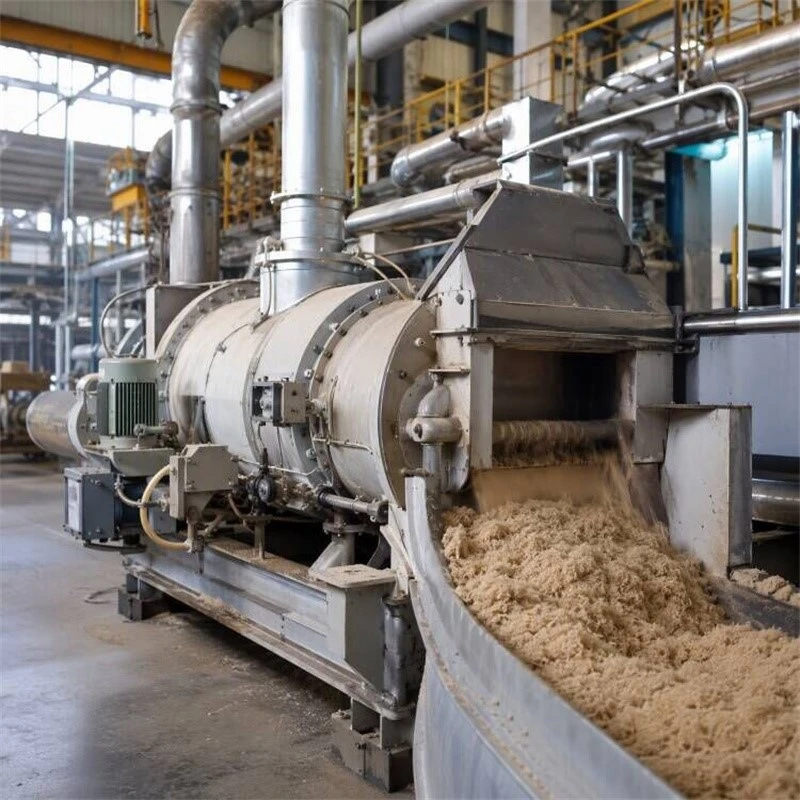
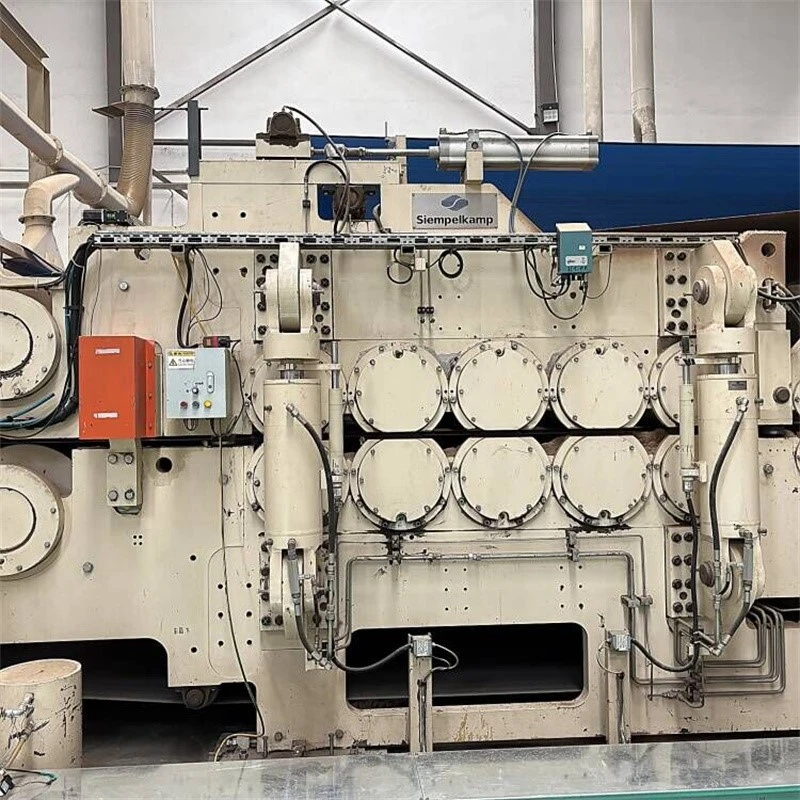
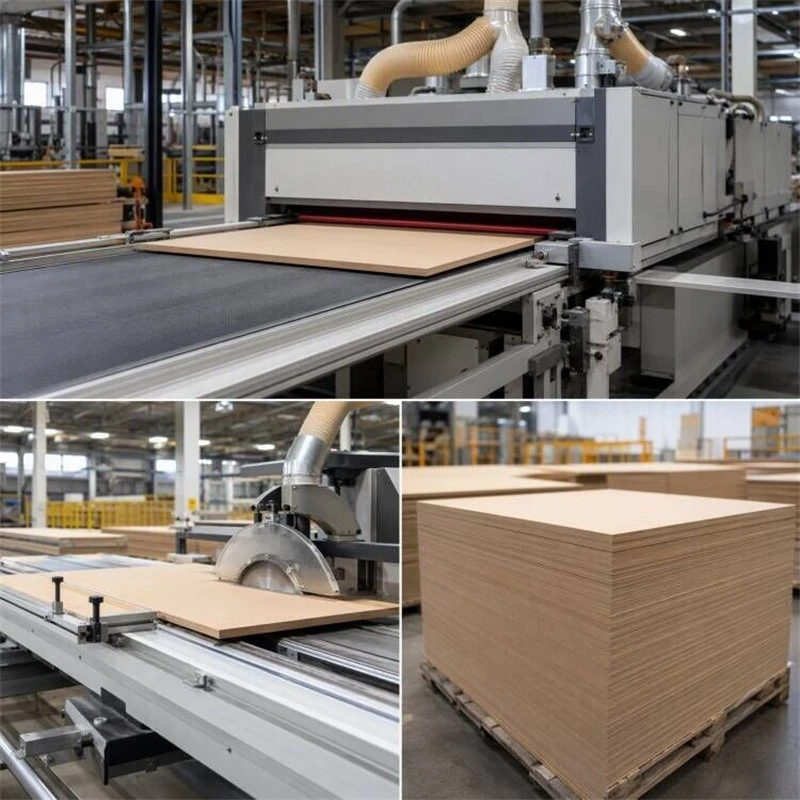
Step 1: Collecting/ Preparing Wood Chips
Most of the time wood chips are collected from nearby sawmills, the furniture industry, manufacturers, or the plywood industry. The wood chips that fall from the manufacturing process are recycled and brought into the MDF industry.
Step 2: Refining
Wood chips are cleaned if necessary. Then, they are sent to a steam-pressurized digester for refining. After steam pressure, the chips soften a lot, which is ideal for making pulp. Then, they are sent to a revolving disk, which turns them into a smaller fiber pulp, which is the main composition of MDF.
Step 3: Drying
The drying process of MDF involves a single or multiple-stage tube dryer. The wet composites are sent to the tube dryer. In a multiple-stage dryer, there are generally two stages: primary and secondary tube dryers. These two dryers are separated by an emission point. The heat provided to tube dryers is fueled by propane and natural gas.
Step 4: Blending
For blending, the urea-formaldehyde resin is mostly used. In addition, MR glue, melamine glue, and isocyanate resins are also used. Some manufacturers use an additional blender, where fibers are dried first and then blended with powerful resin. Again, some industries use a reverse method, where they blend the resin and fibers first, then go to the dryer chamber.
Step 5: Mat forming
The blended pulp is transferred to a forming machine, where it constantly moves. This gives the pulp a mat-like shape. Before hot pressing, the newly formed mat is repressed to give it structure.
Step 6: Pressing
After mat formation, the mats are sent to hot pressing. Hot pressing increases the durability of MDF boards. It also helps combine the glue, resin, and composites to bind strongly and form an even board. As a result, the MDF has a smooth finish.
Step 7: Finishing
The last step is to finish the board by cutting it to preferable sizes. Then, the MDFs are sanded and, in special cases, painted or laminated. Finally, after finishing, the MDFs are ready for shipment.
Painting MDF: Detailed Instructions With Pro Tips
Look for any imperfections, holes, or nail marks in your MDF board. You can use a flashlight at a low angle to observe the small voids easily.Then, you should apply wood filler in those areas to achieve the smoothest paint surface.
Use a primer to lock the fuzz. You may use a water-based or oil-based primer. Oil-based primer needs a long time to dry. So choose any type you desire.
After priming, apply your desired paint with a brush or spray gun to achieve an airbrush look.
An additional sealer will help to achieve a waterproof feature. A high-quality sealer will also protect your project from exterior impacts.
Give the piece enough time to cure before touching or assembling the piece.
Cutting MDF
Saw Blades
Use saw blades designed for cutting composite wood products like MDF or melamine. These have more teeth designed to prevent chip-out and achieve a smoother cut.
Scoring
For handsaws or circular saws, scoring the cut line first can help prevent edge chipping and blowout on the bottom face.
Blade Height
Adjust the blade height on saws so it only extends slightly below the MDF thickness to minimize tearout.
Feed Rate
Take slower, steady passes rather than aggressive force-feeding to avoid chipping and rough edges.
Dust Collection
MDF produces extremely fine dust when cut, so always use proper dust extraction or work outdoors to avoid breathing in particles.
Support
Providing adequate support underneath longer MDF panels when cutting can prevent sagging and inaccurate cuts.
Certificates


FAQ
We're well-known as one of the leading MDF manufacturers and suppliers in China. Please feel free to buy customized MDF at competitive price from our factory. For free sample, contact us now.
raw mdf board, mdf veneer plywood, walnut mdf-
![Waterproof SPC Flooring]() Waterproof SPC FlooringMoisture exposure, swelling at joints, and surface wear can create additional maintenance work for flooring projects.read more
Waterproof SPC FlooringMoisture exposure, swelling at joints, and surface wear can create additional maintenance work for flooring projects.read more -
![Rigid Core SPC Flooring]() Rigid Core SPC FlooringMoisture exposure, swelling at joints, and surface wear can create additional maintenance work for flooring projects.read more
Rigid Core SPC FlooringMoisture exposure, swelling at joints, and surface wear can create additional maintenance work for flooring projects.read more -
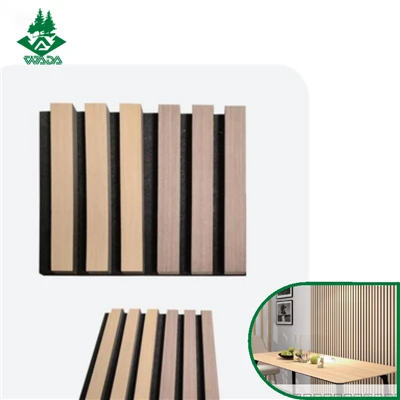
![Acoustic Wood Wall Panels]() Acoustic Wood Wall PanelsHard wall surfaces can create sound reflection, echo, and inconsistent interior finishes. We manufacture Acoustic Woodread more
Acoustic Wood Wall PanelsHard wall surfaces can create sound reflection, echo, and inconsistent interior finishes. We manufacture Acoustic Woodread more -
![Acoustic Slat Wall Panels]() Acoustic Slat Wall PanelsOpen wall surfaces can create echo, hard sound reflection, and visual gaps between decorative elements. We manufactureread more
Acoustic Slat Wall PanelsOpen wall surfaces can create echo, hard sound reflection, and visual gaps between decorative elements. We manufactureread more -
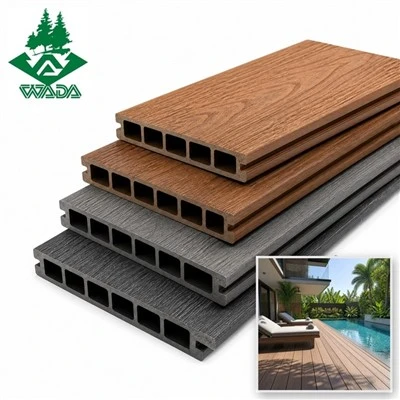
![Outdoor Composite Decking Boards]() Outdoor Composite Decking BoardsMaintenance-free WPC decking from 100% virgin materials — Class B1 fire rated, anti-slip, and built for pools, gardensread more
Outdoor Composite Decking BoardsMaintenance-free WPC decking from 100% virgin materials — Class B1 fire rated, anti-slip, and built for pools, gardensread more -
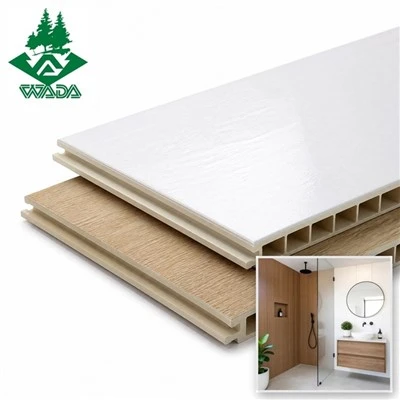
![WPC Wall Panel For Bathroom]() WPC Wall Panel For Bathroom100% waterproof WPC bathroom wall panels — mold resistant, easy to clean, quick to install with fewer joints thanread more
WPC Wall Panel For Bathroom100% waterproof WPC bathroom wall panels — mold resistant, easy to clean, quick to install with fewer joints thanread more