Your Professional Construction Plywood Supplier
WADA GROUP, founded in 2010, is a manufacturer with more than fifteen years of steady growth in the wood products industry. We operate three factories in Xuzhou and Lianyungang, supported by two trading firms in China and branch offices in Japan and Singapore. Our team includes skilled production staff, a strong quality inspection team, and an efficient sales team. Our facilities and processes help us deliver consistent quality and reliable service to customers worldwide.
-
![Structure Larch Plywood]() Structure Larch PlywoodWe manufacture Structure Larch Plywood for roofing, flooring, and wall systems, with controlled strength and moisture resistance for the Japanese market.Wooden Species: LarchStandard Size: 910×1820mm(5 ply),12x910x1820 (5 ply),24x910*1820read more
Structure Larch PlywoodWe manufacture Structure Larch Plywood for roofing, flooring, and wall systems, with controlled strength and moisture resistance for the Japanese market.Wooden Species: LarchStandard Size: 910×1820mm(5 ply),12x910x1820 (5 ply),24x910*1820read more -
![Structural Plywood For Roofing]() Structural Plywood For RoofingWe manufacture Structural Plywood for Roofing designed for roof decking systems, with controlled bonding strength and moisture resistance to suit construction conditions in Japan.Wooden Species: LarchStandard Size: 910×1820mm (5 ply),read more
Structural Plywood For RoofingWe manufacture Structural Plywood for Roofing designed for roof decking systems, with controlled bonding strength and moisture resistance to suit construction conditions in Japan.Wooden Species: LarchStandard Size: 910×1820mm (5 ply),read more -
![JAS Larch Structure Plywood]() JAS Larch Structure PlywoodWe produce JAS Larch Structure Plywood for structural use in roofing, flooring, and wall systems, with consistent strength and moisture resistance adapted to Japanese construction requirements.Wooden Species: LarchStandard Size: 910×1820mmread more
JAS Larch Structure PlywoodWe produce JAS Larch Structure Plywood for structural use in roofing, flooring, and wall systems, with consistent strength and moisture resistance adapted to Japanese construction requirements.Wooden Species: LarchStandard Size: 910×1820mmread more -
![Plywood for Construction Structure]() Plywood for Construction StructurePlywood for construction structure is designed for strength, reliability, and durability, making it a trusted choice in large-scale building projects.. . Wood Species:Poplar/Birch. Size:1220x2440mm /Custom. Certification:CE,FSC,CARB. Glueread more
Plywood for Construction StructurePlywood for construction structure is designed for strength, reliability, and durability, making it a trusted choice in large-scale building projects.. . Wood Species:Poplar/Birch. Size:1220x2440mm /Custom. Certification:CE,FSC,CARB. Glueread more -
![Larch Plywood for Concrete Boards]() Larch Plywood for Concrete BoardsWe produce Larch Plywood for Concrete Boards designed for concrete formwork use, with controlled bonding strength and surface stability to support repeated casting conditions.Wooden Species: LarchStandard Size: 910×1820mm (5 ply),read more
Larch Plywood for Concrete BoardsWe produce Larch Plywood for Concrete Boards designed for concrete formwork use, with controlled bonding strength and surface stability to support repeated casting conditions.Wooden Species: LarchStandard Size: 910×1820mm (5 ply),read more -
![Concrete Construction Plywood]() Concrete Construction PlywoodEngineered for heavy-duty use, our concrete construction plywood offers superior strength, smooth surfaces, and reliable durability, making it an excellent choice for concrete formwork and structural projects.. . Wood Species:Poplar/Birch.read more
Concrete Construction PlywoodEngineered for heavy-duty use, our concrete construction plywood offers superior strength, smooth surfaces, and reliable durability, making it an excellent choice for concrete formwork and structural projects.. . Wood Species:Poplar/Birch.read more -
![Pine Plywood for Construction Structure]() Pine Plywood for Construction StructureStrong, reliable, and versatile — our pine plywood for construction structure provides outstanding durability, excellent stability, and consistent performance, making it a trusted choice for structural building needs.. . Woodread more
Pine Plywood for Construction StructureStrong, reliable, and versatile — our pine plywood for construction structure provides outstanding durability, excellent stability, and consistent performance, making it a trusted choice for structural building needs.. . Woodread more -
![18mm 1220x2440 Consruction Plywood]() 18mm 1220x2440 Consruction PlywoodDurable, stable, and versatile — our 18mm 1220x2440 construction plywood is designed to deliver excellent strength, high load-bearing capacity, and long service life, making it ideal for demanding building projects.. . Woodread more
18mm 1220x2440 Consruction PlywoodDurable, stable, and versatile — our 18mm 1220x2440 construction plywood is designed to deliver excellent strength, high load-bearing capacity, and long service life, making it ideal for demanding building projects.. . Woodread more


why choose us
Our Certificate
We hold EUDR, EPA, JAS, JIS, CARB P2(EPA), and FSC certifications, meeting key international standards required by global buyers.
Reliable Quality Control
An independent laboratory and strict inspection process allow us to monitor performance and maintain product accuracy.
Flexible Customization
We provide tailored LVL, bed slats, plywood, and other engineered wood products based on customer specifications.
Sales Market
100% of our products are exported to over 50 countries, covering Japan, North America, Europe, South America, Australia, and Southeast Asia.

Plywood as a building material is very widely used due to its many useful properties. It is an economical, factory-produced sheet of wood with precise dimensions that does not warp or crack with changes in atmospheric moisture.Ply is an engineered wood product made from three or more 'plies' or thin sheets of wood. These are glued together to form a thicker, flat sheet. The logs used to make plywood as a building material are prepared by steaming or dipping in hot water. They are then fed into a lathe machine, which peels the log into thin plies of wood. each ply is usually between 1 and 4mm thick.
|
Wood Species |
Poplar / Hardwood mix |
|
Packaging |
Standard export pallet |
|
Size |
1220×2440 mm or customized |
|
Thickness Range |
9–30 mm |
|
Moisture Content |
8–12% |
|
Glue Grade |
WBP / Melamine / Phenolic |
|
Density |
550–680 kg/m³ |
|
Formaldehyde Emission |
E0 / E1 |
|
Certification |
CE, FSC, ISO9001 |
|
Monthly Supply |
4000 m³ |
Structural Strength
Engineered with cross-grained layers, construction plywood exhibits exceptional strength and stiffness, capable of handling heavy loads and resisting bending and warping. This cross-graining, where each layer’s grain runs perpendicular to the adjacent layer, distributes the load across the entire sheet, making it far stronger than a single piece of wood of the same thickness.
Moisture Resistance
While not entirely waterproof, construction plywood often incorporates moisture-resistant adhesives and treatments to withstand exposure to humidity and occasional dampness during construction. This is particularly important for exterior applications like roof decking, where it needs to resist moisture damage until the roofing material is installed, preventing warping and rot that could compromise the roof’s integrity.
Dimensional Stability
The cross-grained construction minimizes expansion and contraction with changes in humidity, ensuring the plywood remains dimensionally stable over time. This stability is crucial for applications like subflooring, where it provides a level and consistent base for installing flooring materials, preventing squeaks and unevenness in the finished floor.
Workability
Construction plywood can be easily cut, shaped, and fastened, making it a practical choice for various construction applications. Whether you’re using a circular saw, jigsaw, or nail gun, construction plywood’s workability speeds up construction and reduces labor costs, making it a favorite among contractors and builders working on tight deadlines.
Cost-Effectiveness
Compared to solid lumber or other building materials, construction plywood offers an economical solution for large-scale projects or budget-conscious builds. Its large sheet size reduces the need for numerous smaller pieces, minimizing waste and installation time, which translates to cost savings in both material and labor.
Type of Plywood for Construction Structure


Sheathing Plywood:
The workhorse of construction plywood, sheathing plywood forms the structural skin of walls, roofs, and floors, providing a stable base for attaching siding, roofing materials, and flooring. It’s the unsung hero that provides strength, stability, and a nailing surface for subsequent layers in a building’s structure. .
Structural Plywood:
Engineered for demanding load-bearing applications, structural plywood boasts superior strength and stiffness compared to sheathing plywood. It’s the go-to choice when the plywood itself needs to carry significant weight or resist bending forces, making it essential for structural components in buildings of all sizes.
Fire-Resistant Plywood:
This specialized type undergoes treatment with fire-retardant chemicals to slow the spread of flames and smoke, meeting stringent fire codes in commercial and residential buildings. It’s a crucial component in fire-rated assemblies, helping to contain fires and provide valuable time for evacuation, potentially saving lives and property.
Marine Plywood:
While not strictly classified as “construction” plywood, marine plywood’s exceptional moisture resistance makes it suitable for specific construction applications in high-humidity environments. It’s the go-to choice when plywood will be exposed to prolonged moisture or high humidity, preventing rot, delamination, and structural degradation.
Sanded Plywood:
While primarily used for furniture and cabinetry, sanded plywood’s smooth surface can be suitable for certain construction applications where a finished appearance is desired. It offers a step up from rough construction plywood when a smoother surface is needed for painting or finishing, providing a more refined look for interior applications.
Building foundations and walls
Plywood formwork is commonly used in the construction of building foundations and walls. It is an excellent material for forming concrete structures, as it is solid and durable yet lightweight and easy to work with.
Structural and architectural elements
Plywood formwork is also used to construct structural and architectural features such as columns, beams, and slabs. Its flexibility and strength make it ideal for creating complex shapes and designs.
Bridges and other infrastructure projects
Plywood formwork is also commonly used to construct bridges and other infrastructure projects. It is ideal for creating the formwork necessary to pour concrete into the desired shape and size.

HowWorking with Construction Plywood
Cutting: Use a sharp saw blade specifically designed for plywood to prevent chipping and splintering, ensuring clean and accurate cuts. Carbide-tipped blades with a high tooth count are ideal for smooth cuts, minimizing tear-out and splintering, especially on the face veneer. Score the cut line with a utility knife to further reduce chipping, creating a cleaner edge and preventing the veneer from splintering.
Drilling: Predrill holes, especially near edges, to prevent splitting, allowing the screw to penetrate smoothly without putting excessive pressure on the surrounding wood fibers. Use a drill bit slightly larger than the screw shank to allow for wood movement and prevent the screw from binding, preventing the plywood from cracking or splitting as it expands and contracts with changes in humidity. Countersink screw heads for a flush finish, creating a smooth surface for subsequent finishing steps.
Fastening: Choose screws or nails appropriate for the plywood thickness and the application, ensuring the fasteners have sufficient holding power and won’t protrude through the other side of the plywood. Space fasteners evenly and use construction adhesive for added strength and stability, creating a stronger bond between the plywood and the framing members. Consult fastener charts for recommended spacing and penetration depths, ensuring the fasteners provide adequate holding power without compromising the plywood’s structural integrity.
Moisture Protection: Seal all edges and cut ends of plywood with a sealant or primer to prevent moisture absorption, especially in exterior applications. This helps prevent swelling, warping, and rot, extending the life of the plywood and maintaining its structural integrity. Use a paintable sealant if the plywood will be painted, creating a suitable surface for paint adhesion and preventing moisture from penetrating the plywood through the paint layer.
Safety Measures for Plywood in Construction
Usage of appropriate PPE, including safety glasses or goggles, gloves, and dust masks, is crucial when working with plywood to prevent injury.
Plywood sheets have different strengths and load-bearing capacities. Always verify these before construction to prevent overloading and possible damage.
Employ correct lifting methods when transporting plywood sheets to avoid strain injuries.
Store plywood flat and evenly supported to prevent warping. It should be kept in dry, cool places to avoid damage from moisture or temperature extremes.
Tools should be used cautiously when cutting or modifying plywood. Inspect all power tools for safety before use, follow safe operating procedures, and ensure good ventilation when applying adhesives or finishes.
Certificates


FAQ
We're well-known as one of the leading construction plywood manufacturers and suppliers in China. Please feel free to buy customized construction plywood at competitive price from our factory. For free sample, contact us now.
plywood box construction, Larch Plywood for Concrete Boards, playwood-
![Waterproof SPC Flooring]() Waterproof SPC FlooringMoisture exposure, swelling at joints, and surface wear can create additional maintenance work for flooring projects.read more
Waterproof SPC FlooringMoisture exposure, swelling at joints, and surface wear can create additional maintenance work for flooring projects.read more -
![Rigid Core SPC Flooring]() Rigid Core SPC FlooringMoisture exposure, swelling at joints, and surface wear can create additional maintenance work for flooring projects.read more
Rigid Core SPC FlooringMoisture exposure, swelling at joints, and surface wear can create additional maintenance work for flooring projects.read more -
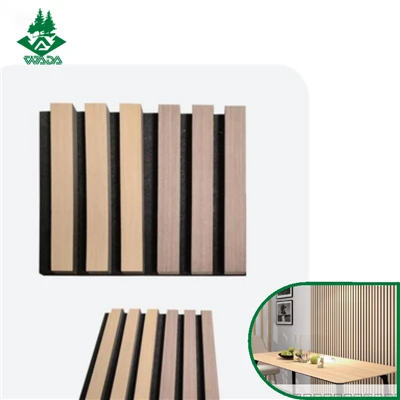
![Acoustic Wood Wall Panels]() Acoustic Wood Wall PanelsHard wall surfaces can create sound reflection, echo, and inconsistent interior finishes. We manufacture Acoustic Woodread more
Acoustic Wood Wall PanelsHard wall surfaces can create sound reflection, echo, and inconsistent interior finishes. We manufacture Acoustic Woodread more -
![Acoustic Slat Wall Panels]() Acoustic Slat Wall PanelsOpen wall surfaces can create echo, hard sound reflection, and visual gaps between decorative elements. We manufactureread more
Acoustic Slat Wall PanelsOpen wall surfaces can create echo, hard sound reflection, and visual gaps between decorative elements. We manufactureread more -
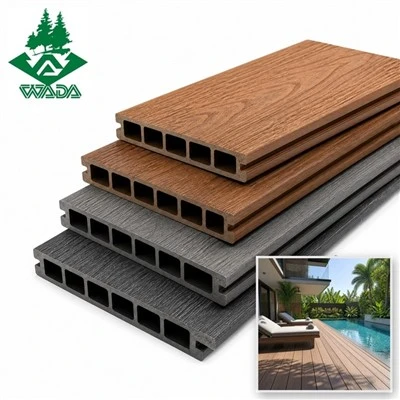
![Outdoor Composite Decking Boards]() Outdoor Composite Decking BoardsMaintenance-free WPC decking from 100% virgin materials — Class B1 fire rated, anti-slip, and built for pools, gardensread more
Outdoor Composite Decking BoardsMaintenance-free WPC decking from 100% virgin materials — Class B1 fire rated, anti-slip, and built for pools, gardensread more -
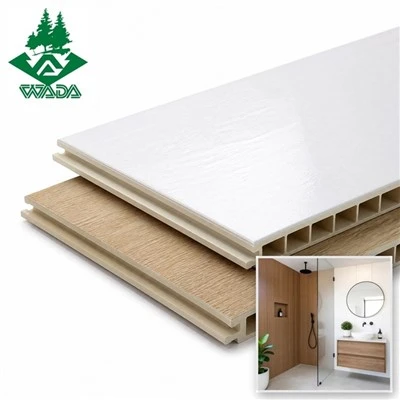
![WPC Wall Panel For Bathroom]() WPC Wall Panel For Bathroom100% waterproof WPC bathroom wall panels — mold resistant, easy to clean, quick to install with fewer joints thanread more
WPC Wall Panel For Bathroom100% waterproof WPC bathroom wall panels — mold resistant, easy to clean, quick to install with fewer joints thanread more