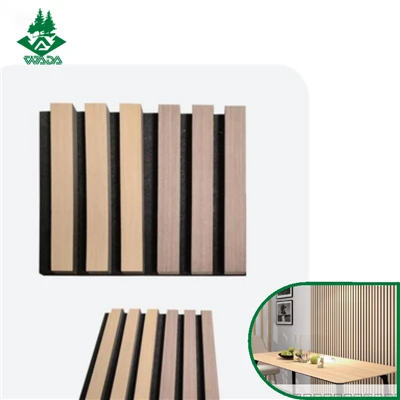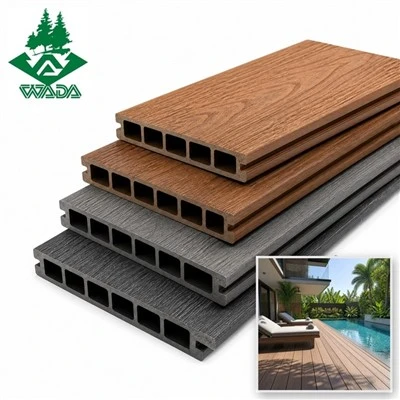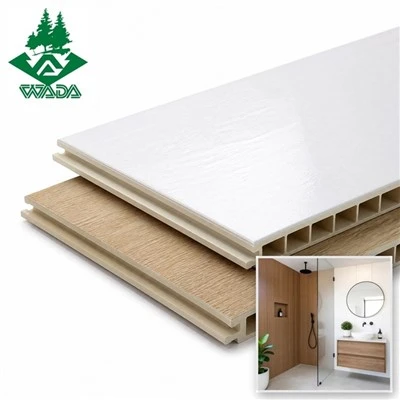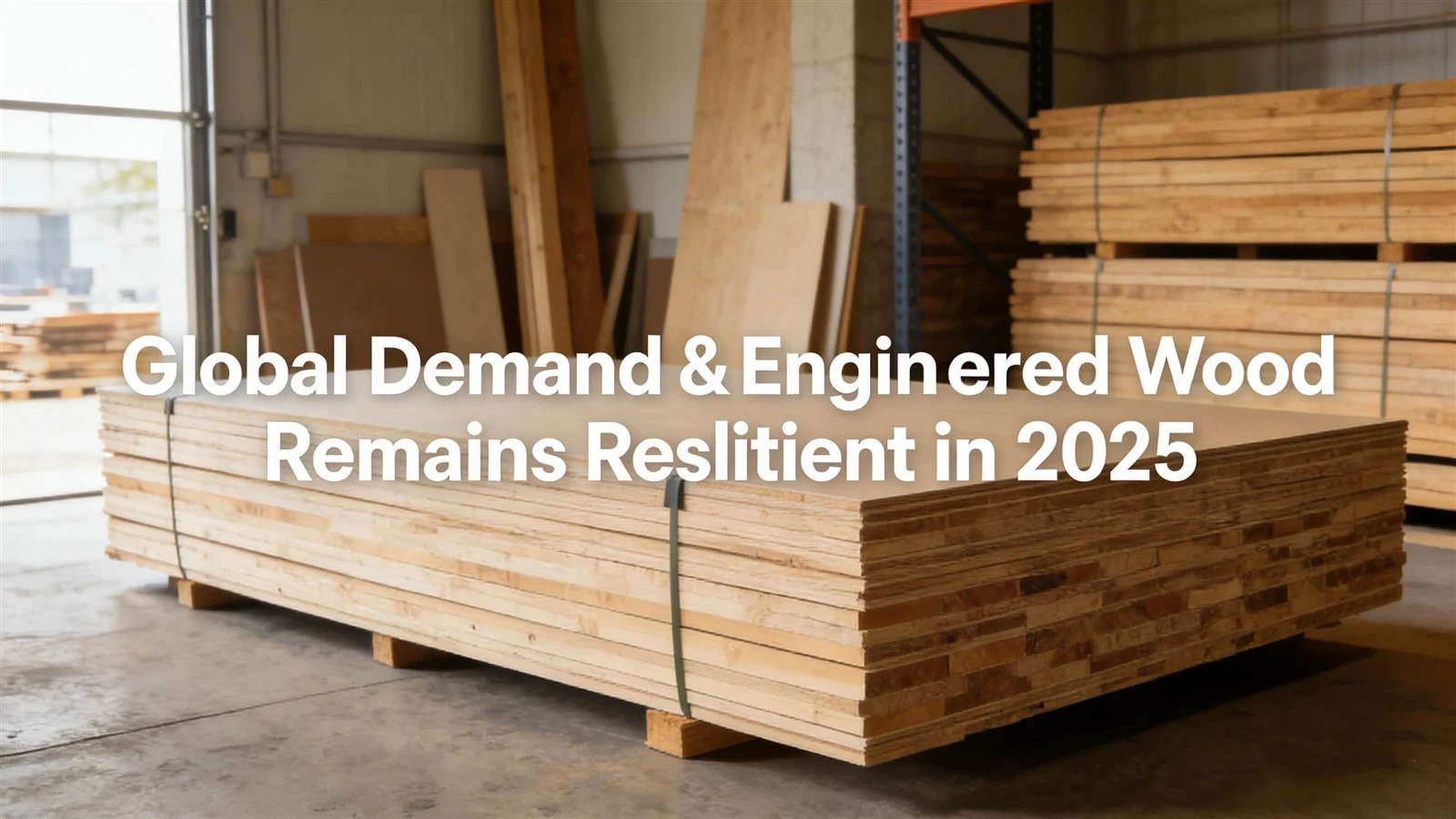
As the global construction and furniture industries continue to adjust to changing economic conditions, engineered wood panels such as Veneered MDF, LVL, and Plywood remain essential materials across multiple markets. In 2025, demand patterns show steady recovery in North America, Japan, and parts of Europe, driven by supply chain optimization and a growing preference for stable, ready-to-use panel products.
Stable Demand from Construction and Furniture Sectors
In North America, residential renovation, commercial fit-out projects, and modular furniture manufacturing continue to support consistent demand for engineered wood panels. Products with uniform thickness, stable performance, and surface consistency are increasingly preferred by manufacturers seeking efficiency and predictable quality.
Similarly, the Japanese market maintains a strong focus on precision, durability, and compliance with environmental standards, especially for LVL and MDF-based panels used in interior applications and packaging systems.
Environmental Standards Continue to Shape Purchasing Decisions
Environmental compliance remains a key factor influencing global purchasing behavior. Buyers are placing greater emphasis on products that meet international standards such as CARB, EPA, and E0/E1 formaldehyde emission requirements.
Manufacturers with established quality control systems and stable raw material sourcing are better positioned to respond to these expectations. Consistency in adhesive performance, moisture control, and surface finishing has become just as important as competitive pricing.
Supply Chain Stability Gains Importance
After several years of disruption, global supply chains are gradually stabilizing. International logistics costs have eased compared to previous peaks, allowing exporters to offer more predictable lead times. As a result, overseas buyers are showing renewed interest in long-term supply partnerships rather than short-term spot purchasing.
This trend is particularly visible in engineered wood products, where reliable delivery schedules and consistent specifications are critical for downstream production planning.
Outlook for the Coming Months
Industry analysts expect the engineered wood panel market to maintain moderate but stable growth through late 2025 and into 2026. Products offering custom sizes, veneered finishes, and application-ready solutions are likely to gain further attention, especially in export-oriented markets.
As global demand continues to evolve, manufacturers and traders who focus on quality stability, compliance, and transparent communication will remain competitive in the international wood products market.