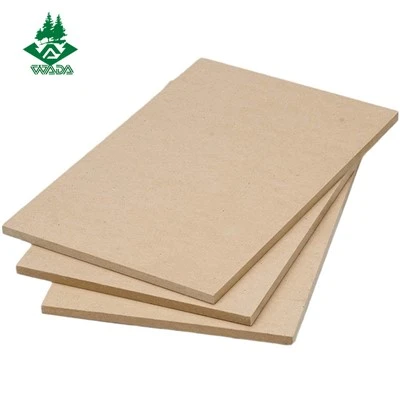
Furniture Board vs Veneered Board: A Cost and Quality Comparison
Category: Product Knowledge & Selection Guides Primary Keywords:furniture board vs vene ered board;furniture board cost;
vene ered board quality

Introduction: Two Terms That Get Used Loosely in Sourcing Conversations
"Furniture board" and "veneered board" sound like they might describe the same category of product, and in casual conversation they're sometimes used almost interchangeably. They shouldn't be. Furniture board typically refers to a particleboard-based core material used broadly across cabinet and furniture manufacturing, while veneered board describes a construction method - a substrate (often plywood, MDF, or particleboard) finished with a layer of real wood veneer. One is a core material category; the other is a surface treatment applied to a core.
Getting this distinction straight before requesting quotes matters, because a buyer comparing "furniture board pricing" against "veneered board pricing" without clarifying what sits underneath each option is often comparing an unfinished core material to a finished, decorated product - not a fair apples-to-apples comparison.
What Furniture Board Actually Is
In furniture manufacturing terminology, "furniture board" commonly refers to a specific type of particleboard - sometimes called long-grain furniture board - manufactured from wood chips and resin under heat and pressure, without a grain pattern of its own (Houzz - What Is Furniture Board?). Higher-density, furniture-grade particleboard is meaningfully stronger than low-end construction-grade chipboard, particularly in screw-holding performance, which is why manufacturers distinguish it from generic particleboard even though both share a similar manufacturing process (CabinetIQ - Plywood vs Particle Board Cabinets).
Standard particleboard density typically falls in the 600–750 kg/m³ range, making it noticeably lighter than MDF at comparable thickness, and correspondingly less expensive to produce (Liyuan Plywood - Particle Board vs MDF). Furniture board on its own is rarely sold as a finished, visible surface - it's almost always laminated, veneered, or painted before reaching an end consumer, which is where the comparison with veneered board actually becomes relevant.
What Veneered Board Actually Is
Veneered board isn't a distinct core material - it's a construction method in which a thin slice of real wood, typically ranging from about 0.4mm to 6mm depending on the application, is bonded onto a stable substrate such as MDF, particleboard, or plywood (AWI - Types of Wood Veneer Explained; Forest Products Australia - How Wood Veneer Panels Are Manufactured). For general construction and furniture use, veneer in the 1.5mm to 2.5mm range is commonly recommended for durability, while decorative veneers for flooring or fine furniture can run as thin as 0.6mm (The Wood Veneer Hub - How Wood Veneers Are Made; Penn State Extension - Hardwood Veneer).
The key point buyers should understand: veneered board can be built on top of furniture-grade particleboard, MDF, or plywood
- meaning "veneered" describes the visible surface, not what's structurally holding the panel together. A veneered particleboard panel and a veneered plywood panel can look identical on the surface while performing very differently under load or moisture exposure.

The vene erlayeritselfis onlythe visible surface - what actually determines a panel's durabilityisthe substrate bonded underneathit, whetherthat's particleboard, MDF, or plywood.
Cost Comparison: Where the Real Price Gap Comes From
Cost differences between these two categories come from two separate sources: the core material itself, and whether a real wood veneer or a printed laminate surface is applied.
At the core level, particleboard-based furniture board carries a significant cost advantage over solid wood or premium veneer-grade substrates - industry sourcing data puts particleboard at roughly one-third of plywood's price per square meter, which is the primary reason it remains so widely used across cost-sensitive furniture lines despite its structural limitations (Vinawood - Particle Board Explained).
At the surface level, real wood veneer carries a meaningfully higher cost than printed laminate finishes, since veneer is sliced from actual timber rather than manufactured synthetically - a cost difference that scales further with the veneer species selected, with premium veneers like Baltic birch commonly running 30–50% above standard birch pricing (Kosmex Group - Particle Board vs Plywood; Brandalyzer - Laminate vs Veneers).
Combining these two variables gives a clearer cost hierarchy for furniture buyers: unfinished furniture board (lowest cost) → laminate-finished furniture board (moderate cost) → veneered furniture board (higher cost) → veneered plywood or solid substrate (highest cost, best long-term durability). Requesting a quote broken down by "core material" and "surface finish" separately, rather than a single bundled price, makes it much easier to identify exactly where cost is being added.
Quality and Durability: What Actually Differs
Furniture board's core limitation is structural, not cosmetic: particleboard is more prone to chipping and edge damage, holds screws less securely than denser substrates, and performs noticeably worse under sustained moisture exposure than plywood or higher-density MDF (The Honest Carpenter - The Truth About Particle Board; Demeter Deco - Understanding Formaldehyde Standards for Furniture). Furniture-grade particleboard narrows this gap versus low-end chipboard, but it doesn't eliminate the underlying material limitation.
Veneered board's durability, by contrast, depends almost entirely on what substrate sits underneath the veneer layer - a detail that reinforces why "veneered" alone isn't a complete quality specification. A real wood veneer bonded to a plywood or high-density MDF substrate delivers meaningfully better long-term durability, moisture resistance, and screw-holding strength than the same veneer bonded to standard furniture-grade particleboard. The veneer surface itself also brings a genuine aesthetic advantage that laminate finishes can't fully replicate - natural wood grain variation, a tactile surface texture, and the ability to be lightly sanded and refinished over the product's lifespan, none of which apply to a laminated or painted furniture board surface.
Choosing Between Them for Your Furniture Line
For most manufacturers, the decision comes down to matching the product tier and application to the right combination of core and surface:
Budget and mid-market furniture lines - furniture-grade particleboard with a laminate finish typically delivers the best cost-to-performance ratio for flat-pack, RTA, and value-tier furniture where price sensitivity outweighs long-term durability concerns.
Mid-to-premium furniture lines - veneered furniture board (veneer over particleboard or MDF) offers a genuine wood aesthetic at a more accessible price point than solid veneered plywood, suitable for visible surfaces that won't face heavy structural load or moisture exposure.
Premium and structural applications - veneered plywood or veneered high-density MDF delivers the strongest combination of authentic wood appearance and long-term durability, justifying the higher cost for cabinet doors, tabletops, and other high-visibility, high-use components.
As a manufacturer producing furniture board, veneered board, and a broader range of engineered wood panels, WADA GROUP supplies furniture manufacturers with both particleboard-core and plywood-core veneered options, allowing buyers to specify the exact substrate-and-surface combination suited to a specific product tier rather than defaulting to a single bundled panel type.
Conclusion: Specify the Core and Surface Separately
The furniture board versus veneered board comparison only makes sense once buyers stop treating "veneered" as a complete product description and start treating it as a surface finish applied to a specific, separately-specified core. A cost-effective sourcing strategy comes from matching furniture-grade particleboard, MDF, or plywood cores to the appropriate surface finish
- laminate or real veneer - based on the actual durability and aesthetic requirements of each product line, rather than comparing bundled quotes that obscure what's actually inside the panel.
If you're specifying furniture board or veneered panels for an upcoming production run, contact our team to request samples and pricing across different core and veneer combinations.
|
Sources Referenced Houzz - What Is Furniture Board? CabinetIQ - Plywood vs Particle Board Cabinets Liyuan Plywood - Particle Board vs MDF: Manufacturer Comparison Guide AWI - Types of Wood Veneer Explained for Architects & Designers Forest Products Australia - How Wood Veneer Panels and Timber Are Manufactured The Wood Veneer Hub - How Wood Veneers Are Made Penn State Extension - From the Woods: Hardwood Veneer Vinawood - Particle Board Explained: Types, Uses, Pros & Cons Kosmex Group - Particle Board vs Plywood: Key Differences Brandalyzer - Laminate vs Veneers and Plyboard vs MDF vs Particleboard Demeter Deco - Understanding Formaldehyde Emission Standards for Furniture Construction |