Introduction
Fiberboard products are widely used in furniture manufacturing, construction, and interior decoration. Among them, High Density Fiberboard (HDF) and Medium Density Fiberboard (MDF) are two of the most common materials.
Although they are similar in production process, their performance, density, and applications differ significantly. Understanding these differences helps buyers choose the right material for specific projects.
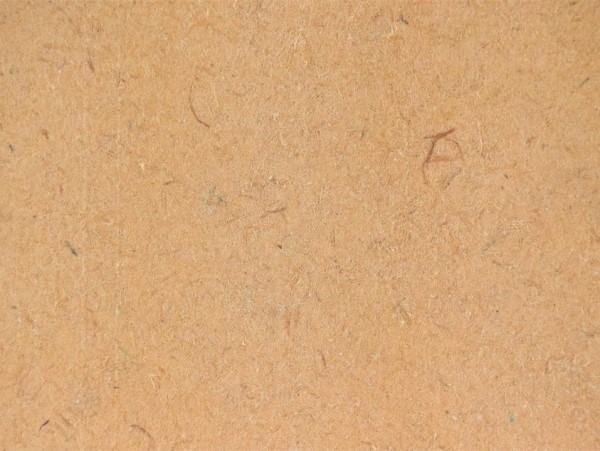
What is Fiberboard?
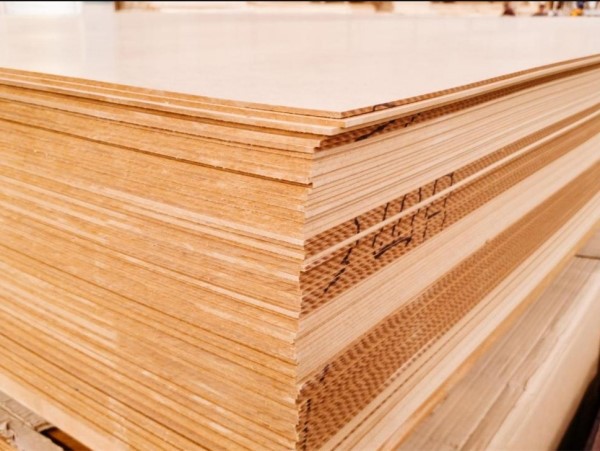
Fiberboard is manufactured by breaking down wood or plant fibers, combining them with adhesives, and compressing them under high temperature and pressure.
This process creates a uniform and smooth panel with consistent mechanical properties, making it ideal for industrial applications.
Key Differences Between HDF and MDF
1. Density Comparison
The primary difference lies in density:
MDF (Medium Density Fiberboard):
Density ranges from 450–600 kg/m³
HDF (High Density Fiberboard):
Density ranges from 600–900 kg/m³
Higher density means HDF is generally stronger, harder, and more durable than MDF.
2. Mechanical Performance
HDF:
Higher strength and impact resistance
Better wear resistance
Suitable for high-load applications
MDF:
Softer and easier to process
Smooth surface ideal for painting and laminating
Less resistant to heavy pressure
3. Applications
The usage scenarios differ significantly:
HDF is commonly used for:
Flooring substrates (especially laminate flooring)
Wall panels and partitions
Door panels and security doors
Sound insulation panels
MDF is commonly used for:
Furniture manufacturing (cabinets, wardrobes)
Interior decoration panels
Shelving and display units
Because of its high density, HDF is less suitable for furniture that requires frequent machining, while MDF is preferred for its workability.
4. Moisture Resistance
Both MDF and HDF have limited water resistance, but:
HDF performs slightly better due to its compact structure
MDF is more prone to swelling when exposed to moisture
For humid environments, additional treatment (such as melamine or waterproof coating) is recommended.
Which One is Better?
There is no absolute "better" option between HDF and MDF.
Choose HDF when you need strength, durability, and load-bearing performance
Choose MDF when you need easy processing and cost efficiency
The right choice depends entirely on your application.
Conclusion
HDF and MDF are both essential engineered wood products, each serving different market needs. By understanding their differences in density, performance, and application, buyers can make more informed purchasing decisions.
About WADA
WADA provides a wide range of engineered wood products, including MDF, HDF, plywood, and LVL. With strong supply chain capabilities and export experience, we support global customers with stable quality and competitive solutions.