


Softwood plywood is a versatile and widely used building material that offers a range of unique characteristics. As a plywood supplier, I have had the opportunity to work closely with this product and understand its many benefits. In this blog post, I will explore the key characteristics of softwood plywood, highlighting its advantages and applications.
1. Material Composition
Softwood plywood is typically made from softwood species such as pine, spruce, or fir. These woods are known for their relatively fast growth rate, which makes them a sustainable and cost - effective choice. The plywood is constructed by gluing together multiple layers of thin wood veneers, with the grain of each layer oriented perpendicular to the adjacent layers. This cross - grained construction gives softwood plywood its strength and stability.
The veneers are usually peeled from logs using a rotary lathe, which produces a continuous sheet of wood. The thickness of the veneers can vary, but common thicknesses range from 1.5mm to 3mm. The number of layers in a plywood panel also varies depending on the desired thickness and strength of the final product. For example, a standard 12mm thick softwood plywood panel may consist of 5 or 7 layers.
2. Strength and Durability
One of the most significant characteristics of softwood plywood is its strength. The cross - grained construction distributes stress evenly across the panel, making it resistant to warping, cracking, and splitting. This strength makes softwood plywood suitable for a wide range of structural applications, such as flooring, roofing, and wall sheathing.
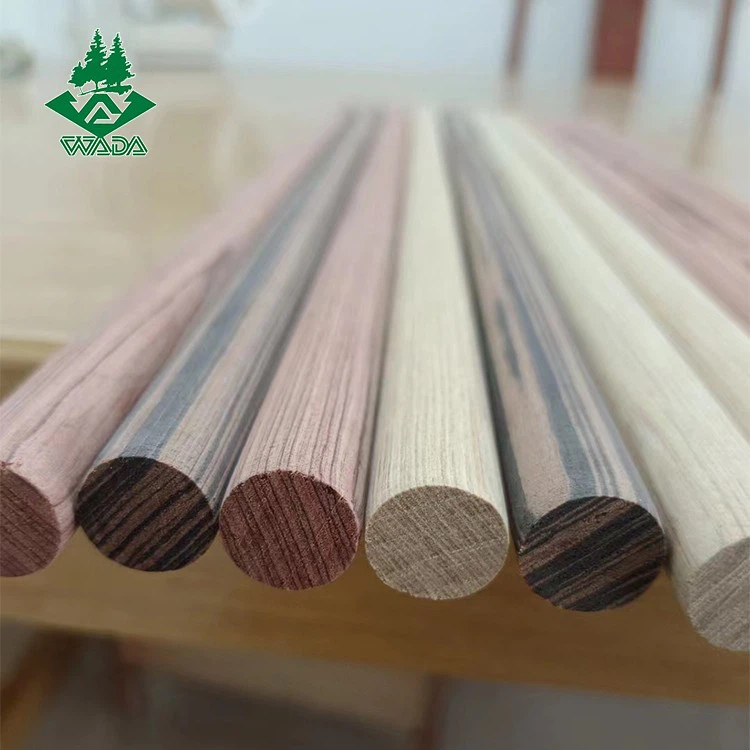
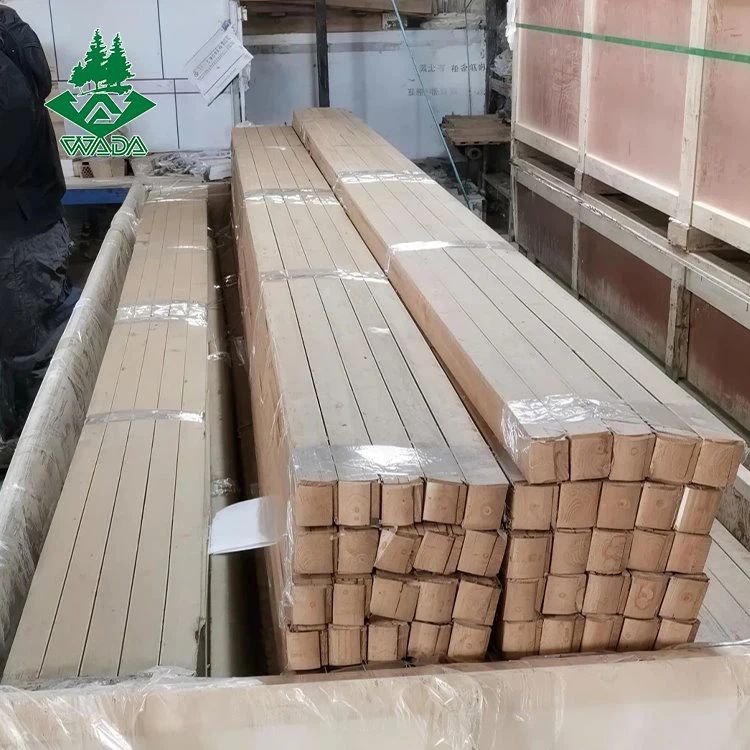
In addition to its strength, softwood plywood is also durable. When properly treated and maintained, it can withstand exposure to moisture, insects, and decay. Some softwood plywood panels are treated with preservatives to enhance their resistance to these elements. For example, pressure - treated softwood plywood is commonly used in outdoor applications where it will be exposed to the elements.
3. Lightweight
Softwood plywood is relatively lightweight compared to other building materials such as solid wood or concrete. This makes it easier to handle and install, reducing labor costs and the need for heavy equipment. The lightweight nature of softwood plywood also makes it a popular choice for applications where weight is a concern, such as in the construction of mobile homes, RVs, and boats.
4. Versatility
Softwood plywood is an extremely versatile material. It can be cut, shaped, and joined using a variety of tools and techniques, allowing it to be used in a wide range of applications. It can be used for both structural and non - structural purposes, including furniture making, cabinetry, interior wall paneling, and packaging.
For furniture makers, softwood plywood provides a smooth and stable surface that can be easily finished with paint, stain, or veneer. It is also a cost - effective alternative to solid wood, making it a popular choice for mass - produced furniture. In cabinetry, softwood plywood can be used for the carcass, shelves, and doors, providing a strong and durable structure.
5. Cost - Effectiveness
Softwood plywood is generally more cost - effective than other building materials. The fast - growing nature of softwood trees means that the raw materials are abundant and relatively inexpensive. Additionally, the manufacturing process of plywood is efficient, which helps to keep costs down. This cost - effectiveness makes softwood plywood an attractive option for both large - scale construction projects and small - scale DIY projects.
6. Aesthetic Appeal
While softwood plywood is often used for its functional properties, it can also have aesthetic appeal. The natural grain pattern of the wood can add a warm and inviting look to interior spaces. Some softwood plywood panels are available with a decorative veneer on one or both sides, which can enhance their appearance and make them suitable for visible applications.
Applications of Softwood Plywood
The unique characteristics of softwood plywood make it suitable for a wide range of applications. Here are some common uses:
Construction
- Flooring: Softwood plywood can be used as a sub - floor material, providing a stable base for finished flooring materials such as hardwood, carpet, or tile.
- Roofing: It is often used as roof sheathing, providing support for the roofing materials and helping to distribute the weight evenly.
- Wall Sheathing: Softwood plywood can be used as wall sheathing to provide structural support and improve the insulation of the building.
Furniture and Cabinetry
- Furniture: As mentioned earlier, softwood plywood is a popular choice for furniture making, including beds, tables, chairs, and cabinets. For example, LVL Birch Wooden Bed Slats are often made using plywood as a base material, providing a strong and stable support for the mattress.
- Cabinetry: It is used for the construction of kitchen cabinets, bathroom vanities, and storage units.
Packaging
Softwood plywood can be used to make crates, boxes, and pallets for shipping and storing goods. Its strength and durability make it suitable for protecting products during transportation.
Interior Design
- Wall Paneling: Softwood plywood can be used as interior wall paneling to add texture and warmth to a room.
- Ceiling Tiles: It can also be used to create ceiling tiles, providing a unique and modern look.
Comparison with Other Plywood Types
Softwood plywood is often compared with hardwood plywood and oriented strand board (OSB). Here are some differences:
Hardwood Plywood
- Strength: Hardwood plywood is generally stronger than softwood plywood, but it is also more expensive.
- Appearance: Hardwood plywood has a more attractive grain pattern and is often used for high - end furniture and interior applications.
- Cost: Softwood plywood is more cost - effective than hardwood plywood, making it a better choice for budget - conscious projects.
Oriented Strand Board (OSB)
- Structure: OSB is made from strands of wood that are oriented in specific directions and glued together, while softwood plywood is made from veneers.
- Moisture Resistance: Softwood plywood generally has better moisture resistance than OSB, especially when it is properly treated.
- Applications: OSB is commonly used for structural applications such as sheathing, while softwood plywood has a wider range of applications, including furniture and interior design. For example, OSB18mm is often used in construction projects where a large - scale and cost - effective sheathing material is required.
Conclusion
Softwood plywood is a remarkable building material with a wide range of characteristics that make it suitable for numerous applications. Its strength, durability, lightweight, versatility, cost - effectiveness, and aesthetic appeal make it a popular choice among builders, furniture makers, and DIY enthusiasts.
If you are in the market for high - quality softwood plywood or other related products such as LVL Birch Wooden Bed Slats and Wooden Dowel Sticks, I encourage you to reach out to discuss your specific needs. Whether you are working on a small home improvement project or a large - scale construction job, we can provide you with the right products and solutions. Contact us today to start your procurement process and explore the possibilities of using softwood plywood in your next project.
References
- Forest Products Laboratory. (2010). Wood Handbook: Wood as an Engineering Material. Madison, WI: U.S. Department of Agriculture, Forest Service.
- Panshin, A. J., & de Zeeuw, C. (1980). Textbook of Wood Technology. New York: McGraw - Hill.
- Simpson, W. T. (1991). Wood Durability and Protection. New York: Van Nostrand Reinhold.


