


Hey there! I'm an OSB supplier, and I know firsthand how frustrating it can be to deal with mold growth on OSB. Mold not only looks bad but can also weaken the structure of the boards and pose health risks. In this blog, I'll share some practical tips on how to prevent mold growth on OSB, so you can keep your projects in top shape.

Understanding Why Mold Grows on OSB
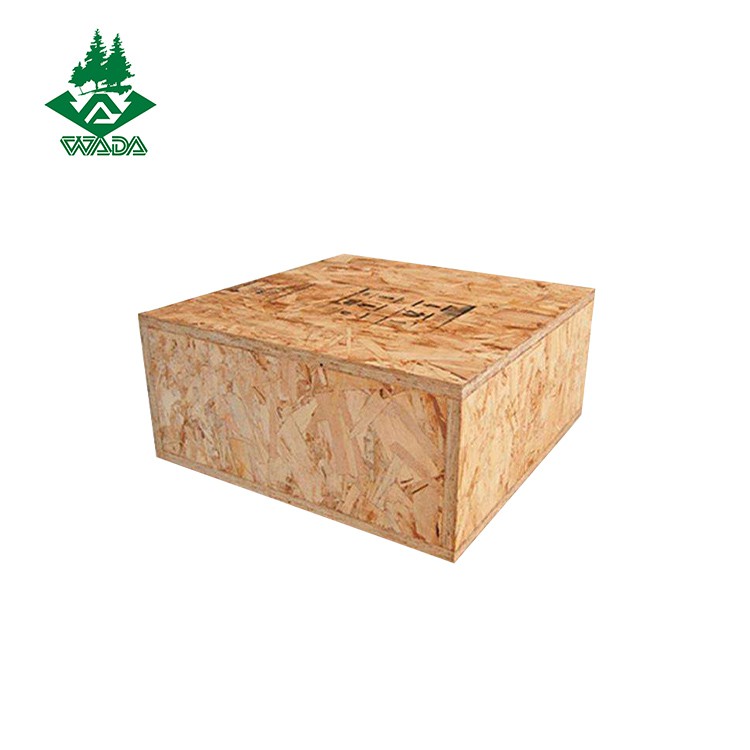
Before we dive into prevention methods, it's important to understand why mold loves OSB. OSB, or oriented strand board, is made from wood strands that are glued together. Wood is an organic material, which means it provides a great food source for mold. Additionally, OSB can absorb moisture easily, and mold thrives in moist environments. When the conditions are right - high humidity, warmth, and a food source - mold can start to grow on OSB in no time.
1. Control the Environment
One of the most effective ways to prevent mold growth on OSB is to control the environment where it's stored or installed. Here are some key factors to consider:
Humidity
Keep the humidity levels in check. Ideally, the relative humidity should be between 30% and 50%. You can use a hygrometer to measure the humidity in the area. If the humidity is too high, use a dehumidifier to remove excess moisture from the air. In areas with high humidity, like basements or bathrooms, proper ventilation is crucial. Make sure there are enough vents or install exhaust fans to keep the air circulating.
Temperature
Mold grows best in warm temperatures, typically between 77°F and 86°F (25°C and 30°C). Try to keep the temperature in the storage or installation area below this range. If possible, use air conditioning to cool the space during hot and humid months.
Ventilation
Good ventilation is essential to prevent mold growth. When storing OSB, make sure there is enough space between the boards to allow air to circulate. In buildings, ensure that there are proper air vents in attics, crawl spaces, and other areas where OSB is used. This helps to remove moist air and prevent it from getting trapped around the boards.
2. Proper Storage
How you store OSB can have a big impact on its susceptibility to mold. Here are some storage tips:
Keep it Dry
Store OSB in a dry place. If you're storing it outdoors, make sure it's covered with a waterproof tarp. Elevate the boards off the ground using pallets or other supports to prevent moisture from seeping up from the ground. Avoid storing OSB in areas prone to flooding or where water can accumulate.
Protect from the Elements
OSB should be protected from rain, snow, and direct sunlight. Exposure to water can cause the boards to absorb moisture, while prolonged sunlight can damage the glue and weaken the structure of the OSB. If you need to store OSB outside for an extended period, consider using a storage shed or building a temporary shelter.
Check Regularly
Periodically check the stored OSB for signs of moisture or mold. If you notice any wet spots or mold growth, take immediate action to dry the boards and address the source of the moisture.
3. Installation Best Practices
Proper installation of OSB is crucial to prevent mold growth. Here's what you need to keep in mind:
Seal the Edges
Before installing OSB, seal the edges with a waterproof sealant. This helps to prevent moisture from entering the boards through the edges, which are more vulnerable to water penetration. You can use a brush or a spray - on sealant for this purpose.
Leave Expansion Gaps
When installing OSB, leave a small expansion gap between the boards. This allows the boards to expand and contract with changes in temperature and humidity without warping or cracking. A gap of about 1/8 inch is usually sufficient.
Install Vapor Barriers
In areas where moisture is a concern, such as basements or crawl spaces, install a vapor barrier behind the OSB. A vapor barrier helps to prevent moisture from passing through the wall or floor and reaching the OSB. Make sure the vapor barrier is properly installed and sealed to be effective.
4. Treat the OSB
There are various treatments available that can help prevent mold growth on OSB.
Mold - Resistant Coatings
Apply a mold - resistant coating to the OSB. These coatings contain chemicals that inhibit the growth of mold and mildew. You can find mold - resistant paints, stains, or clear coatings at your local hardware store. Make sure to follow the manufacturer's instructions when applying the coating.
Pressure - Treated OSB
Consider using pressure - treated OSB. Pressure - treating involves injecting chemicals into the wood to make it more resistant to decay, insects, and mold. This type of OSB is a great option for areas with high moisture levels or where the boards will be exposed to the elements.
5. Regular Maintenance
Once the OSB is installed, regular maintenance is key to preventing mold growth.
Inspect Regularly
Periodically inspect the OSB for signs of mold, water damage, or other issues. Look for discoloration, musty odors, or soft spots on the boards. If you notice any problems, address them immediately.
Clean Spills Promptly
If there are any spills on the OSB, clean them up right away. Even small amounts of water can lead to mold growth if left untreated. Use a clean, dry cloth to wipe up the spill, and if necessary, use a mild detergent to remove any stains.
Our OSB Products
As an OSB supplier, I'm proud to offer a range of high - quality OSB products. We have OSB18mm, which is perfect for a variety of construction projects, including flooring and wall sheathing. Our 22mm OSB Board is thicker and more durable, making it ideal for heavy - duty applications. And for roofing projects, our OSB3 Roofing Boards are designed to withstand the elements and provide excellent protection.
If you're interested in purchasing OSB for your next project, I'd love to talk to you. Whether you're a contractor, a DIY enthusiast, or a builder, we can provide you with the right OSB products and advice to prevent mold growth and ensure the success of your project. Don't hesitate to reach out for more information or to start a procurement discussion.
References
- Building Science Corporation. "Moisture Control in Buildings."
- National Association of Home Builders. "Best Practices for OSB Installation."
- Wood Products Manufacturers Association. "Mold Prevention on Wood - Based Panels."


