


Hey there! As an LVL (Laminated Veneer Lumber) supplier, I often get asked some interesting questions. One question that popped up recently got me thinking: "Is LVL used in historical English?" Let's dig into this topic and find out.
First off, let's understand what LVL is. LVL is a type of engineered wood product. It's made by bonding multiple thin layers of wood veneers together with adhesives. These veneers are usually aligned in the same direction, which gives LVL some great strength and stability. It's commonly used in construction for things like beams, headers, and columns.
Now, when we talk about "historical English," we're looking at a really long time span - from the Anglo - Saxon period all the way through to more modern times. Back in the old days, the technology and materials available were quite different from what we have now.
In the early days of English history, say during the medieval period, wood was definitely a crucial building material. But the way they used wood was more about using whole logs or large timber pieces. They'd cut down big trees and shape them into beams and posts for buildings. There was no concept of laminating thin veneers together to create a stronger material like LVL.
The idea of engineered wood products like LVL didn't really come about until much later. The development of adhesives that could effectively bond wood veneers was a key factor. And this technology didn't exist in historical English times. So, in a strict sense, LVL wasn't used in historical English construction.
However, the use of wood in general has a long - standing history in England. Timber framing was a popular construction method. Builders would create a framework of wooden beams and then fill in the gaps with other materials like wattle and daub. This was a practical and effective way to build houses and other structures.
Fast forward to modern times, and LVL has become a game - changer in the construction industry. It offers several advantages over traditional solid wood. For one, LVL is more consistent in its strength. Since it's made from multiple layers of veneers, it's less likely to have knots or other natural defects that can weaken a solid wood beam.
Another advantage is its dimensional stability. LVL is less prone to shrinking, swelling, or warping compared to solid wood. This makes it a great choice for applications where precise dimensions are important, like in LVL Beam Framing.
LVL is also more sustainable. Instead of using large, old - growth trees, LVL can be made from smaller, fast - growing trees. The veneers are peeled from the logs, and almost all of the wood is used in the manufacturing process, reducing waste.
In the furniture industry, LVL has also found its place. Melamine Faced Board is often made with an LVL core. The melamine facing gives it a nice, durable finish, and the LVL core provides strength and stability. This type of board is used in making cabinets, shelves, and other furniture pieces.
When it comes to construction, LVL Laminated Wood Beams are widely used in residential and commercial buildings. They can span longer distances than solid wood beams, which means fewer columns or supports are needed in a building. This creates more open and flexible floor plans.
So, while LVL wasn't part of historical English construction, it has a bright future in modern - day building and manufacturing. If you're in the construction or furniture - making business, you might want to consider using LVL. It offers a combination of strength, stability, and sustainability that's hard to beat.

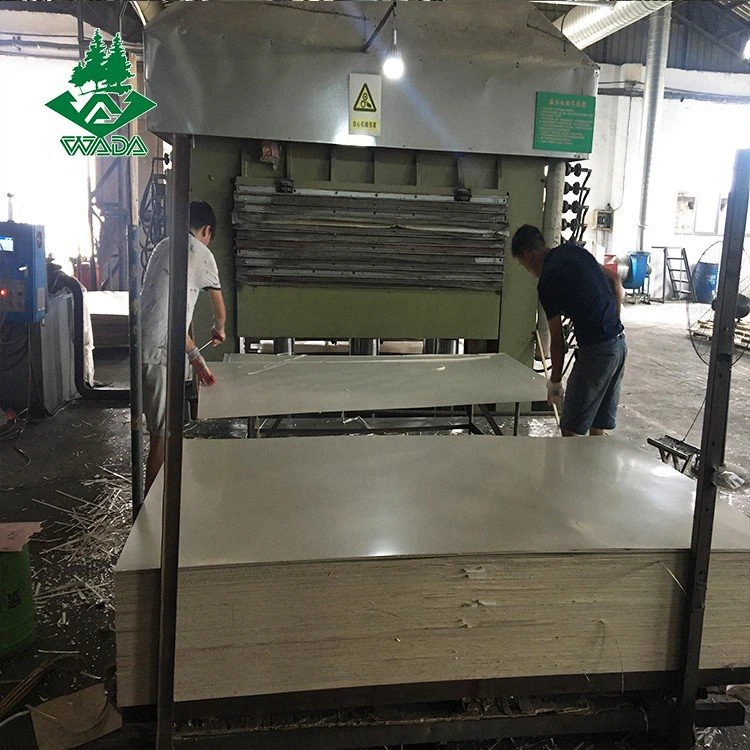
We, as an LVL supplier, are always ready to provide high - quality LVL products. Whether you need LVL for a small DIY project or a large - scale construction job, we've got you covered. If you're interested in learning more about our products or want to discuss a potential purchase, don't hesitate to reach out. We're here to help you make the best choice for your project.
References
- "A History of English Architecture" by Nikolaus Pevsner. This book provides a comprehensive overview of the construction methods and materials used in English history.
- "Engineered Wood Products: Properties and Applications" by the Forest Products Society. It offers in - depth information about engineered wood products like LVL.


