


Can Marine Plywood Be Used for Decking?
As a supplier of marine plywood, I often get asked whether marine plywood can be used for decking. It's a valid question, considering the various types of materials available for deck construction. In this blog post, I'll explore the suitability of marine plywood for decking, discussing its advantages, potential drawbacks, and key considerations.
Advantages of Using Marine Plywood for Decking
1. Durability
Marine plywood is specifically designed to withstand harsh marine environments, which means it's highly resistant to water, rot, and fungal decay. This makes it an excellent choice for decking, especially in areas that are exposed to moisture, such as near swimming pools, lakes, or the ocean. The high - quality adhesives used in marine plywood ensure that the layers of the plywood remain bonded together even when exposed to water for extended periods.
2. Strength
Marine plywood is known for its strength and structural integrity. It is typically made from high - quality hardwood veneers, which are cross - laminated to provide strength in multiple directions. This makes it capable of supporting heavy loads, such as furniture, people, and equipment on the deck. Whether you're planning a small, intimate deck or a large entertainment area, marine plywood can handle the weight.
3. Versatility
Marine plywood comes in a variety of thicknesses and sizes, allowing for flexibility in deck design. You can choose the appropriate thickness based on the span of the deck joists and the expected load. Additionally, it can be easily cut, shaped, and installed, making it suitable for both simple and complex deck designs. For example, you can create curved or angled decks with relative ease using marine plywood.
4. Cost - effectiveness
Compared to some other decking materials like hardwoods or composite decking, marine plywood can be a more cost - effective option. It offers a good balance between quality and price, especially for those on a budget. You can get a durable and attractive deck without breaking the bank.
Potential Drawbacks of Using Marine Plywood for Decking
1. Maintenance
While marine plywood is resistant to water and rot, it still requires some maintenance to ensure its longevity. You need to regularly seal or stain the plywood to protect it from UV rays, which can cause the wood to fade and deteriorate over time. If not properly maintained, the surface of the marine plywood may become rough and splintery.
2. Appearance
Some people may find that the appearance of marine plywood is not as aesthetically pleasing as other decking materials. It has a more industrial look compared to natural hardwoods, which have a warm and rich grain pattern. However, this can be mitigated by using a high - quality finish or by incorporating other design elements to enhance the overall look of the deck.
3. Slipperiness
When wet, marine plywood can be slippery, which poses a safety hazard, especially around swimming pools or in areas prone to rain. To address this issue, you can use non - slip coatings or add texture to the surface of the plywood during installation.
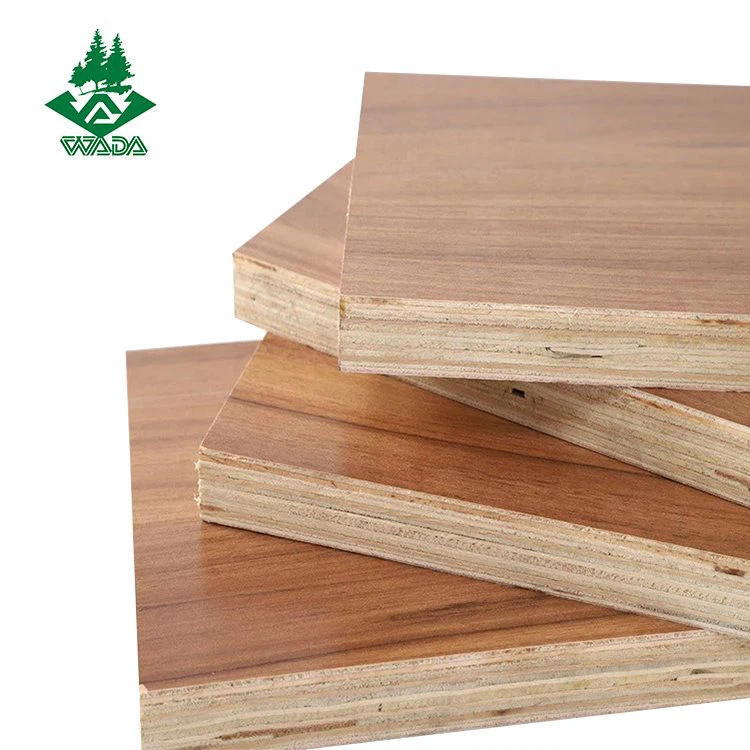

Key Considerations When Using Marine Plywood for Decking
1. Quality of the Plywood
Not all marine plywood is created equal. When choosing marine plywood for your deck, make sure to select a high - quality product from a reputable supplier. Look for plywood that meets industry standards, such as BS 1088 in the UK or the relevant standards in your country. High - quality marine plywood will have fewer voids, better adhesive bonds, and more consistent veneer quality.
2. Installation
Proper installation is crucial for the performance of marine plywood decking. Ensure that the deck joists are properly spaced and level to provide adequate support for the plywood. Use corrosion - resistant fasteners, such as stainless steel screws or nails, to prevent rusting and ensure a long - lasting installation. Also, leave a small gap between the plywood sheets to allow for expansion and contraction due to changes in temperature and humidity.
3. Sub - structure
The sub - structure of the deck is just as important as the decking material itself. Make sure the joists and beams are made of strong and durable materials, such as pressure - treated lumber or steel. A well - built sub - structure will prevent the deck from sagging or warping over time.
4. Finish
Applying a suitable finish to the marine plywood is essential for its protection and appearance. You can choose from a variety of finishes, such as oil - based stains, water - based stains, or clear sealants. The finish should be UV - resistant and water - repellent to keep the plywood in good condition.
Our Marine Plywood Products
At our company, we offer a wide range of high - quality marine plywood products suitable for decking. Our 18mm Wbp Birch Plywood Waterprood Plywood is made from premium birch veneers and is highly resistant to water and rot. It provides excellent strength and durability for your decking needs.
We also have Marine Plywood 4x8 and 4x8 Marine Plywood options, which are popular sizes for deck construction. These sheets are easy to handle and install, making them a convenient choice for DIY enthusiasts and professional contractors alike.
Conclusion
In conclusion, marine plywood can be a great choice for decking, offering durability, strength, versatility, and cost - effectiveness. However, it's important to be aware of its potential drawbacks and take the necessary steps to ensure proper installation and maintenance. If you're considering using marine plywood for your deck, I encourage you to reach out to us. We have the expertise and high - quality products to help you create a beautiful and long - lasting deck. Contact us today to discuss your decking project and explore our range of marine plywood options.
References
- "Wood Decking Handbook" by the American Wood Council
- "Marine Plywood: Properties and Applications" by the Forest Products Laboratory


