


Balsa wood, known scientifically as Ochroma pyramidale, is a material that has captured the interest of hobbyists, artists, and engineers alike. As a supplier of balsa wood, I have had the privilege of working closely with this remarkable material and can attest to its unique qualities. In this blog post, I will delve into the texture of balsa wood, exploring its characteristics, how it affects its uses, and why it stands out in the world of wood materials.
Physical Characteristics of Balsa Wood Texture
The texture of balsa wood is one of its most defining features. At first glance, balsa wood appears to have a smooth and even surface. However, upon closer inspection, its cellular structure becomes apparent. Balsa wood has a very open and porous cellular structure, which is a direct result of its rapid growth. This rapid growth allows the cells to expand and form large, thin - walled chambers.
The open cellular structure gives balsa wood a lightweight feel. In fact, it is one of the lightest woods available, with a density ranging from 40 to 320 kg/m³. This low density is a key factor in its popularity for applications where weight is a critical consideration, such as model building and aerospace engineering.
The grain of balsa wood is generally straight and uniform. This straight grain contributes to its ease of working. When cutting, sanding, or shaping balsa wood, the straight grain allows for clean and smooth cuts. It also reduces the likelihood of splintering, making it a favorite among hobbyists who work with small, delicate pieces.
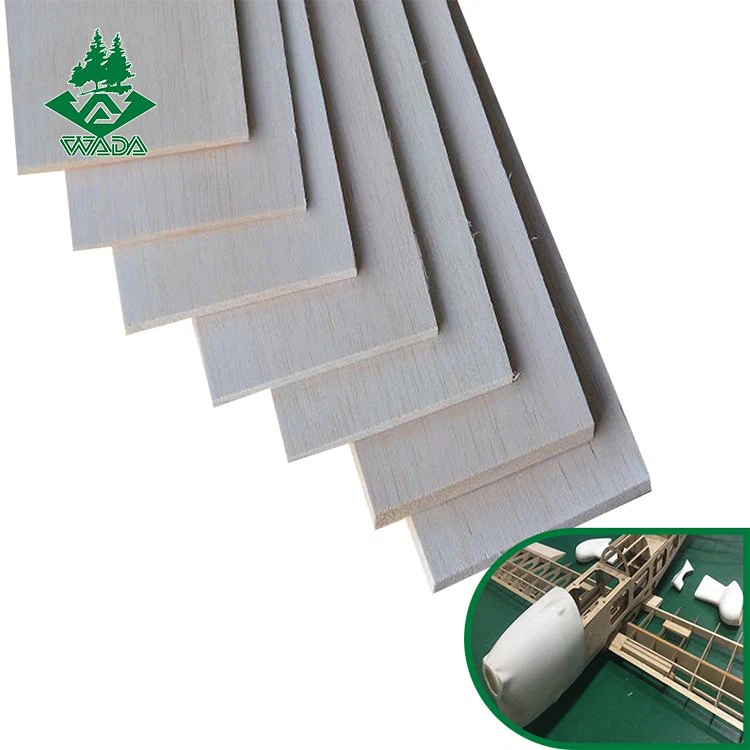
The surface texture of balsa wood can vary depending on the grade and the way it is processed. Higher - grade balsa wood typically has a finer and more consistent texture. It feels almost silky to the touch, with a smooth finish that is ideal for painting and finishing. Lower - grade balsa wood may have a slightly rougher texture, with more visible pores and irregularities. However, even lower - grade balsa wood can be sanded to achieve a smooth surface.
How Texture Affects the Uses of Balsa Wood
The unique texture of balsa wood makes it suitable for a wide range of applications.
Model Building
In the world of model building, the lightweight and easy - to - work texture of balsa wood is invaluable. Whether it's building airplanes, ships, or architectural models, balsa wood can be cut, carved, and shaped with relative ease. The straight grain allows for precise cuts, which is essential for creating accurate and detailed models. For example, when building a model airplane, the light weight of balsa wood helps to keep the overall weight of the model down, allowing for better flight performance. The smooth surface texture also provides a good base for painting and adding details, enhancing the overall appearance of the model. You can find high - quality balsa wood for model building in our Balsa Wood Lightweight Handicraft Wood Board collection.
Crafts and Art
Artists and crafters appreciate the texture of balsa wood for its versatility. It can be used to create a variety of art pieces, from sculptures to wall hangings. The porous nature of balsa wood allows it to absorb paints and dyes easily, resulting in vibrant and long - lasting colors. The smooth surface can also be engraved or etched, adding another dimension to the creative process. Crafters can use balsa wood to make intricate designs and add a natural, organic feel to their projects.
Engineering and Aerospace
In engineering and aerospace applications, the texture of balsa wood plays a crucial role. Its low density and high strength - to - weight ratio make it an ideal material for testing prototypes. The straight grain and uniform texture ensure consistent performance during testing. For example, in wind tunnel testing of aircraft models, balsa wood's light weight and predictable behavior help engineers to accurately simulate real - world conditions. Our Balsa Wood Panels are often used in these types of applications due to their large, flat surfaces and consistent texture.
Comparing Balsa Wood Texture with Other Woods
When compared to other woods, balsa wood's texture stands out in several ways.
Hardwoods
Hardwoods, such as oak and maple, have a much denser and more compact cellular structure. Their texture is generally rougher and more difficult to work with compared to balsa wood. Hardwoods are heavier, which makes them less suitable for applications where weight is a concern. However, they are stronger and more durable, making them ideal for furniture and structural applications.
Softwoods
Softwoods, like pine and cedar, are lighter than hardwoods but still heavier than balsa wood. Their texture is also coarser, with more visible knots and grain variations. While softwoods are relatively easy to work with, they do not have the same level of smoothness and uniformity as balsa wood. Balsa wood's finer texture makes it a better choice for detailed work and applications where a smooth finish is required.
Maintaining the Texture of Balsa Wood
To maintain the texture of balsa wood, proper storage and handling are essential. Balsa wood is hygroscopic, which means it can absorb and release moisture from the surrounding environment. Excessive moisture can cause the wood to warp, swell, or develop mold, which can damage its texture.
It is recommended to store balsa wood in a dry, cool place with a stable humidity level. When working with balsa wood, it is important to use sharp tools to ensure clean cuts and prevent damage to the texture. After cutting and shaping, sanding the surface can help to restore its smoothness and enhance its appearance.

Conclusion
The texture of balsa wood is a combination of its open cellular structure, straight grain, and smooth surface. These characteristics make it a unique and valuable material for a wide range of applications, from model building to aerospace engineering. As a balsa wood supplier, I am constantly amazed by the versatility and beauty of this material.
If you are interested in purchasing balsa wood for your projects, I encourage you to explore our product range. We offer high - quality balsa wood in various grades and sizes to meet your specific needs. Whether you are a hobbyist, an artist, or an engineer, our balsa wood is sure to provide you with the texture and performance you require. Contact us to start a procurement discussion and discover how balsa wood can enhance your next project.
References
- "Wood Handbook: Wood as an Engineering Material." Forest Products Laboratory, U.S. Department of Agriculture.
- Panshin, A. J., & de Zeeuw, C. (1980). Textbook of Wood Technology. McGraw - Hill.
- "The Properties and Uses of Balsa Wood." Journal of Wood Science and Technology.


