


As a well - established PVC board supplier, I've been frequently asked about the bending method for PVC boards. In this blog, I'll delve into the details of how to bend PVC boards, exploring different techniques, their applications, and considerations.
Understanding PVC Boards
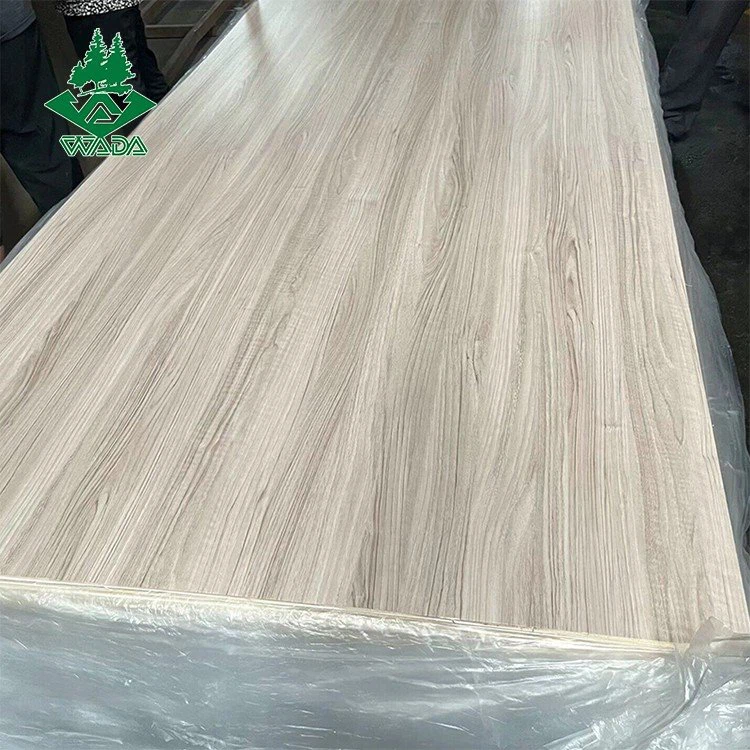
Before we jump into the bending methods, it's essential to understand what PVC boards are. PVC, or polyvinyl chloride, is a widely used thermoplastic polymer. PVC boards are known for their durability, chemical resistance, and relatively low cost. They come in various forms, such as PVC Plywood and PVC Faced Board. These boards are used in a plethora of applications, from construction and interior decoration to signage and furniture manufacturing.
Why Bend PVC Boards?
Bending PVC boards can significantly expand their range of applications. For example, in the field of interior design, curved PVC boards can be used to create unique and modern wall panels, ceiling features, or custom - shaped furniture. In the signage industry, bent PVC boards can form eye - catching curved signs that stand out from the crowd.
Methods of Bending PVC Boards
Heat Bending
Heat bending is one of the most common methods for bending PVC boards. The basic principle behind heat bending is that PVC becomes pliable when heated to a certain temperature, allowing it to be shaped into the desired form.
Materials and Tools Required
- PVC board
- Heat source: This can be a heat gun, an oven, or a hot air blower. A heat gun is the most commonly used tool as it provides a concentrated stream of hot air, allowing for precise heating.
- Bending jig: A jig is a tool used to hold the PVC board in place while it is being bent. It can be made from wood, metal, or other materials, depending on the shape you want to achieve.
Steps for Heat Bending
- Prepare the Workspace: Ensure that your workspace is well - ventilated, as heating PVC can produce fumes. Lay out your materials and tools in an organized manner.
- Mark the Bending Line: Use a ruler and a marker to mark the line where you want to bend the PVC board. This will help you ensure a straight and accurate bend.
- Heat the PVC Board: Hold the heat gun about 2 - 3 inches away from the marked bending line and move it back and forth evenly. The PVC board should start to soften within a few minutes. You can test the flexibility of the board by gently applying pressure with your fingers.
- Bend the Board: Once the PVC board is soft enough, carefully place it on the bending jig and slowly bend it to the desired angle. Hold the board in place until it cools and retains its shape.
Advantages of Heat Bending
- It allows for a wide range of bending angles and shapes.
- It can be used on both thin and thick PVC boards.
Disadvantages of Heat Bending
- It requires careful control of the heating process. Overheating can cause the PVC board to melt or deform unevenly.
- There is a risk of burns from the heat source.
Cold Bending
Cold bending is another method for bending PVC boards, especially for thinner boards. This method does not require any external heat source.
Materials and Tools Required
- PVC board
- Bending jig
- Clamps
Steps for Cold Bending
- Prepare the Bending Jig: Set up the bending jig according to the desired shape of the bend.
- Place the PVC Board on the Jig: Carefully position the PVC board on the jig and secure it with clamps.
- Apply Pressure: Gradually apply pressure to the PVC board using the clamps or other tools. The board will slowly bend to conform to the shape of the jig.
- Let the Board Set: Leave the PVC board on the jig for a few hours or overnight to allow it to set in the bent shape.
Advantages of Cold Bending
- It is a simple and cost - effective method.
- There is no risk of overheating or melting the PVC board.
Disadvantages of Cold Bending
- It is only suitable for thin PVC boards. Thicker boards may crack or break during cold bending.
- The range of bending angles is limited compared to heat bending.
Considerations When Bending PVC Boards
Board Thickness
The thickness of the PVC board plays a crucial role in determining the bending method. As mentioned earlier, heat bending is more suitable for thicker boards, while cold bending is better for thinner ones. Generally, boards with a thickness of less than 3mm can be cold - bent, while thicker boards require heat bending.
Bending Radius
The bending radius is the minimum radius at which a PVC board can be bent without cracking or breaking. The bending radius depends on the thickness and type of the PVC board. Thicker boards usually require a larger bending radius. It's important to consult the manufacturer's specifications to determine the appropriate bending radius for your PVC board.
Safety Precautions
When bending PVC boards, safety should always be a top priority. When using a heat source, wear heat - resistant gloves and safety glasses to protect yourself from burns and flying debris. Ensure that your workspace is well - ventilated to avoid inhaling harmful fumes.
Applications of Bent PVC Boards
Interior Design
Bent PVC boards are widely used in interior design to create unique and modern elements. They can be used to make curved wall panels, ceiling features, and custom - shaped furniture. For example, a curved PVC wall panel can add a touch of elegance and sophistication to a living room or a commercial space.
Signage
In the signage industry, bent PVC boards are used to create eye - catching curved signs. These signs can be illuminated to enhance their visibility at night. Bent PVC signs are commonly used for storefronts, trade shows, and advertising displays.
Furniture Manufacturing
Bent PVC boards can be incorporated into furniture design to create interesting shapes and forms. They can be used to make chair backs, table edges, and other furniture components. The flexibility of bent PVC boards allows for more creative and innovative furniture designs.
Conclusion
Bending PVC boards is a useful technique that can expand the range of applications for these versatile materials. Whether you choose heat bending or cold bending depends on the thickness of the board, the desired bending radius, and the specific application. As a PVC board supplier, I'm committed to providing high - quality PVC boards and offering guidance on how to work with them.
If you're interested in purchasing PVC boards for your projects or have any questions about bending methods, I encourage you to reach out for a procurement discussion. I'm here to help you find the right solutions for your needs.

References
- "Plastics Technology Handbook" by Howard S. Katz
- Manufacturer's specifications for PVC boards


