


Hey there! As a supplier of LVL Door Frame, I've seen my fair share of issues with these frames, and one of the most common problems is warping. It's a headache for both us suppliers and the customers, so I thought I'd dive into what causes an LVL Door Frame to warp.
What is an LVL Door Frame Anyway?
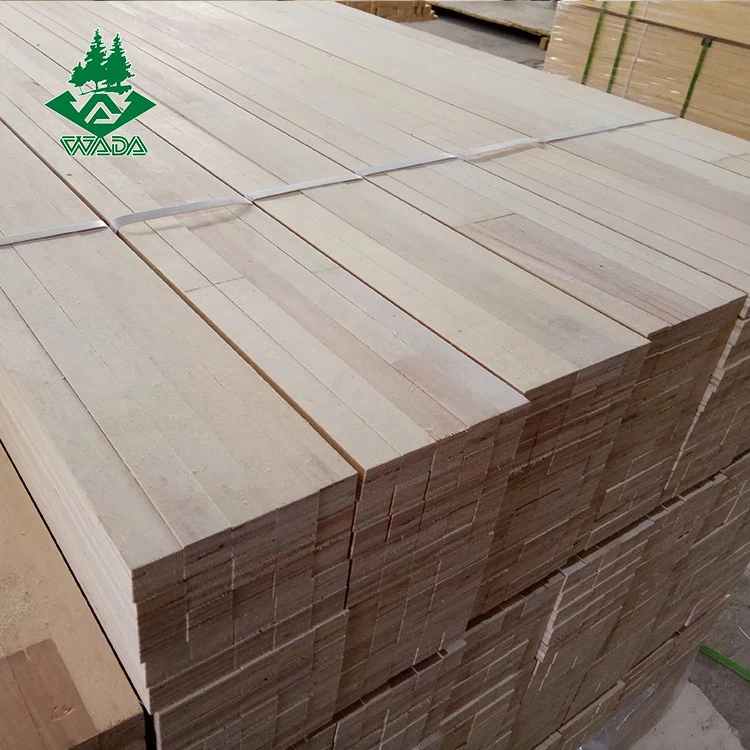
Before we get into the warping, let's quickly go over what an LVL Door Frame is. LVL stands for Laminated Veneer Lumber. It's made by bonding multiple layers of thin wood veneers together with adhesives. This creates a strong and stable material that's commonly used for door frames, LVL Door Core, and LVL Door Jamb. It's a popular choice because it's more consistent in quality compared to solid wood and can be engineered to meet specific strength requirements.
Moisture: The Number One Culprit
Moisture is hands down the biggest cause of warping in LVL Door Frames. Wood is a hygroscopic material, which means it absorbs and releases moisture depending on the surrounding environment. When an LVL Door Frame absorbs too much moisture, the wood fibers swell. And when it dries out, they shrink. This uneven expansion and contraction can cause the frame to warp.
There are a few ways moisture can get to the frame. One common scenario is during installation. If the frame is installed in a damp environment, like a basement with high humidity or a bathroom without proper ventilation, it's going to absorb moisture from the air. Another way is through direct contact with water. For example, if there's a leaky pipe near the door frame, the water can seep into the wood and cause it to warp.
Improper Drying During Manufacturing
The manufacturing process of LVL Door Frames is crucial. If the veneers aren't dried properly before they're bonded together, it can lead to warping later on. When the veneers have different moisture contents, they'll expand and contract at different rates. This can create internal stresses within the frame, causing it to warp over time.
As a supplier, we take great care to ensure that the veneers are dried to the right moisture level. We use advanced drying technology to make sure the moisture content is consistent throughout the veneers. But sometimes, despite our best efforts, there can be small variations that might lead to issues down the line.
Installation Issues
How the LVL Door Frame is installed can also play a big role in whether it warps or not. If the frame isn't installed correctly, it can be subjected to unnecessary stress. For example, if the frame is forced into place and isn't properly aligned, it can create internal stresses that cause warping.
Another installation issue is using the wrong fasteners. If the screws or nails are too long or too short, or if they're driven in at the wrong angle, it can damage the wood fibers and lead to warping. It's important to follow the manufacturer's installation instructions carefully to avoid these problems.
Environmental Factors
The environment where the door frame is installed can have a significant impact on its stability. Extreme temperature changes can cause the wood to expand and contract rapidly. For example, in areas with hot summers and cold winters, the frame can go through a lot of stress as it adjusts to the temperature variations.

Sunlight can also be a factor. Prolonged exposure to direct sunlight can cause the wood to dry out unevenly. The side of the frame that's facing the sun will dry out faster than the other side, creating a difference in moisture content and potentially leading to warping.
Quality of the Veneers
The quality of the veneers used in the LVL Door Frame can affect its resistance to warping. Lower-quality veneers may have more knots, cracks, or other defects. These defects can weaken the wood and make it more prone to warping.
As a supplier, we source our veneers from reputable suppliers and carefully inspect them for quality. We only use high-quality veneers that meet our strict standards to ensure the durability and stability of our LVL Door Frames.
How to Prevent Warping
Now that we know what causes warping, let's talk about how to prevent it. First and foremost, make sure the installation environment is dry. If you're installing the frame in a high-humidity area, consider using a dehumidifier or improving the ventilation.
During installation, follow the manufacturer's instructions carefully. Use the right fasteners and make sure the frame is properly aligned. And if you're installing the frame in an area that gets a lot of sunlight, consider using a protective finish to reduce the impact of the sun's rays.
As a supplier, we also offer some tips and advice to our customers on how to maintain their LVL Door Frames. Regularly inspect the frames for any signs of moisture or damage, and address any issues promptly.
Conclusion
Warping in LVL Door Frames can be a frustrating problem, but by understanding the causes, we can take steps to prevent it. As a supplier, we're committed to providing high-quality LVL Door Frames that are resistant to warping. We use the best materials and manufacturing processes to ensure the durability and stability of our products.
If you're in the market for LVL Door Frames, LVL Door Core, or LVL Door Jamb, we'd love to talk to you. Whether you're a contractor, a builder, or a homeowner, we can provide you with the right products and advice to meet your needs. Feel free to reach out to us to discuss your requirements and start a procurement conversation.
References
- Wood Handbook: Wood as an Engineering Material, Forest Products Laboratory
- Building Construction Handbook, McGraw-Hill Education


