


What are the storage requirements for LVL Door Core?
As a supplier of LVL Door Core, I understand the importance of proper storage to maintain the quality and performance of our products. LVL, or Laminated Veneer Lumber, is a high - strength engineered wood product that is commonly used as the core material for doors due to its stability and durability. However, like any wood - based product, it has specific storage requirements that need to be met to prevent damage and ensure its longevity.
1. Temperature and Humidity Control
The first and most crucial aspect of storing LVL Door Core is controlling the temperature and humidity of the storage environment. Wood is a hygroscopic material, which means it can absorb and release moisture depending on the surrounding conditions. Fluctuations in temperature and humidity can cause the LVL Door Core to expand or contract, leading to warping, cracking, or delamination.
Ideally, the storage area should maintain a temperature between 18°C and 24°C (64°F - 75°F) and a relative humidity level between 30% and 50%. This range helps to keep the moisture content of the LVL within an acceptable range, typically around 8% - 12%. To achieve this, you may need to use climate - control systems such as dehumidifiers, humidifiers, and air conditioners.
In regions with high humidity, dehumidifiers can be used to reduce the moisture in the air. Conversely, in dry climates, humidifiers can add moisture to prevent the LVL from drying out too much. Regular monitoring of the temperature and humidity levels is essential, and it is recommended to use a hygrometer to keep track of these conditions.
2. Ventilation
Proper ventilation is also essential for storing LVL Door Core. Good air circulation helps to prevent the build - up of moisture and reduces the risk of mold and mildew growth. The storage area should have adequate ventilation openings to allow fresh air to enter and stale air to exit.
If possible, the storage facility should be designed with natural ventilation in mind, such as windows or vents that can be opened and closed as needed. In addition, fans can be used to enhance air movement within the storage area. However, care should be taken to ensure that the air flow is not too strong, as this can cause the LVL to dry out unevenly.
3. Protection from Direct Sunlight and Rain
LVL Door Core should be stored in a location that is protected from direct sunlight and rain. Exposure to sunlight can cause the wood to fade and become brittle over time. Ultraviolet (UV) rays can break down the lignin in the wood, which is responsible for its strength and durability.
Rain and other forms of moisture can also cause significant damage to the LVL. If the LVL gets wet, it can absorb excessive moisture, leading to swelling, warping, and the growth of mold and fungi. Therefore, the storage area should be a covered space, such as a warehouse or a shed.

If the LVL needs to be stored outdoors temporarily, it should be covered with a waterproof tarp. The tarp should be securely fastened to prevent it from being blown away by the wind. Additionally, the LVL should be placed on a raised platform to keep it off the ground and away from any standing water.
4. Stacking and Support
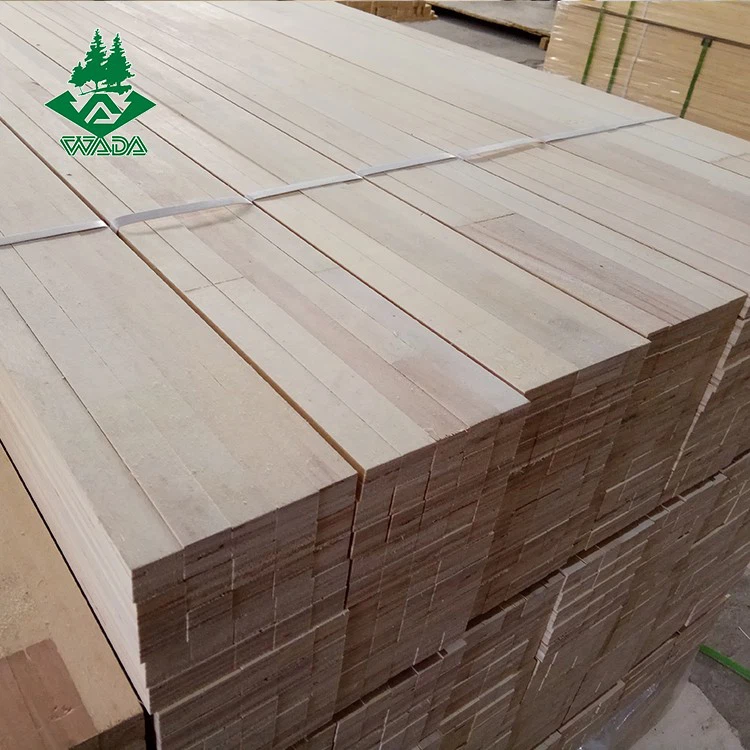
Proper stacking and support are important to prevent damage to the LVL Door Core. When stacking the LVL, it is recommended to use a uniform and stable stacking pattern. The LVL should be stacked in a way that distributes the weight evenly and prevents excessive pressure on any one area.
Each layer of LVL should be separated by spacers or stickers. These spacers help to ensure proper air circulation between the layers and prevent the LVL from sticking together. The spacers should be made of a non - corrosive material, such as wood or plastic.
The LVL should also be supported at regular intervals to prevent sagging. If the LVL is stored in long lengths, it may be necessary to use additional supports in the middle of the stack. This helps to maintain the straightness of the LVL and reduces the risk of warping.
5. Protection from Physical Damage
During storage, the LVL Door Core should be protected from physical damage. This includes avoiding impacts, scratches, and abrasions. The storage area should be free from sharp objects and rough surfaces that could damage the LVL.
When handling the LVL, it is important to use proper lifting equipment and techniques. Forklifts or other lifting devices should be used to move the LVL safely. The forks of the forklift should be padded to prevent damage to the LVL.
In addition, the LVL should be stored away from areas where there is a high risk of traffic or other activities that could cause damage. For example, it should not be stored near loading docks or areas where heavy machinery is operating.
6. Inventory Management
Effective inventory management is crucial for ensuring the quality of the LVL Door Core. It is important to keep track of the age of the inventory and use the oldest stock first. This helps to prevent the LVL from being stored for too long, which can increase the risk of damage.
Regular inspections of the inventory should be conducted to check for any signs of damage or deterioration. Any damaged or defective LVL should be removed from the inventory and disposed of properly.
In addition, inventory records should be maintained to track the quantity, location, and movement of the LVL. This helps to ensure that the right amount of LVL is available when needed and reduces the risk of overstocking or understocking.
As a reliable supplier of LVL Door Core, we not only provide high - quality products but also offer professional advice on storage and handling. Our LVL Door Frame and LVL Door Jamb are also designed to meet the highest standards of quality and performance.
If you are interested in purchasing our LVL Door Core or other related products, we encourage you to contact us for more information and to discuss your specific requirements. Our team of experts is ready to assist you in finding the best solutions for your projects.
References
- Forest Products Laboratory. (2010). Wood Handbook: Wood as an Engineering Material. United States Department of Agriculture, Forest Service.
- Simpson Strong - Tie. (2018). Engineered Wood Construction Guide. Simpson Strong - Tie Company Inc.
- American Wood Council. (2015). National Design Specification for Wood Construction. American Wood Council.


