


As a supplier of LVL Door Core, I often get asked whether our product is compliant with building codes. This is a crucial question for both contractors and building owners, as non - compliance can lead to serious legal and safety issues. In this blog, I'll delve into the compliance of LVL Door Core with building codes, discussing the relevant standards, testing, and how our product meets these requirements.
Understanding Building Codes
Building codes are a set of regulations that govern the design, construction, and maintenance of buildings. They are put in place to ensure the safety, health, and welfare of the occupants. These codes cover a wide range of aspects, including structural integrity, fire safety, energy efficiency, and accessibility.
When it comes to LVL Door Core, the key building code requirements usually revolve around structural strength and fire resistance. Structural strength is essential to ensure that the door can withstand normal use, such as opening and closing, as well as any external forces it may encounter. Fire resistance is important to prevent the spread of fire and smoke in case of a fire emergency.
Structural Strength and LVL Door Core
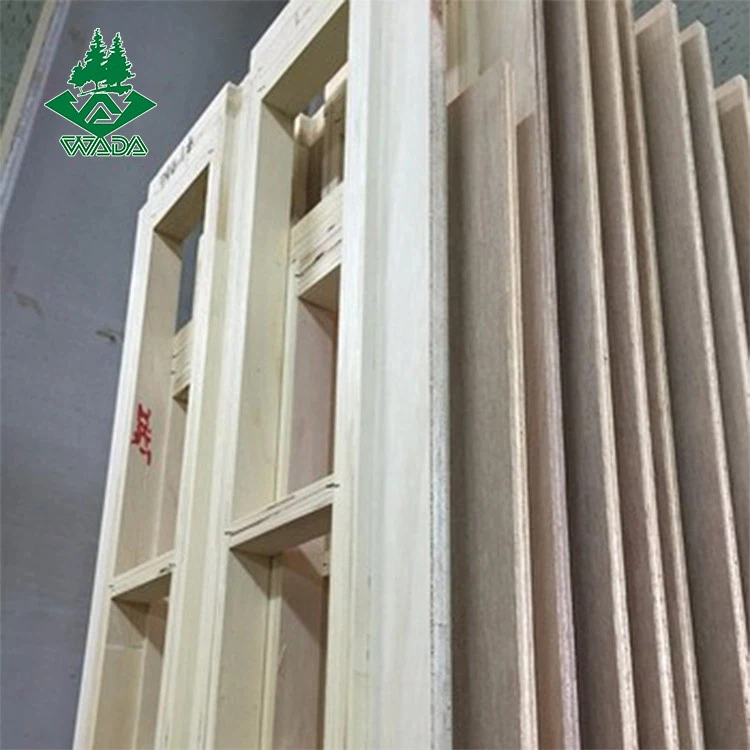
LVL, or laminated veneer lumber, is a high - strength engineered wood product. It is made by bonding multiple layers of thin wood veneers together with adhesives under heat and pressure. This manufacturing process results in a material that has consistent strength properties and is less prone to warping, shrinking, or splitting compared to solid wood.
Most building codes specify minimum strength requirements for door cores based on factors such as the size of the door, the type of building (residential or commercial), and the expected load. Our LVL Door Core is engineered to meet or exceed these requirements. Through rigorous testing in independent laboratories, we have verified that our LVL Door Core can withstand significant vertical and horizontal loads, making it suitable for a wide range of applications.
For example, in residential buildings, our LVL Door Core provides sufficient strength for interior and exterior doors. In commercial buildings, where there may be higher traffic and more demanding usage, our product also performs well. The consistent quality of LVL ensures that each door core we supply has the same high - level of strength, which is crucial for maintaining the overall integrity of the building's door systems.
Fire Resistance of LVL Door Core
Fire safety is a major concern in building codes. Many codes require doors to have a certain level of fire resistance, which is measured in minutes. For instance, in some commercial buildings, doors may need to have a 20 - minute or 60 - minute fire - rating.
Our LVL Door Core can be treated to enhance its fire resistance. We use special fire - retardant chemicals during the manufacturing process. These chemicals penetrate the wood veneers and react with the wood fibers to slow down the combustion process. When exposed to fire, the treated LVL Door Core forms a char layer on the surface, which acts as an insulator and helps to prevent the spread of fire and heat.
We have conducted extensive fire - testing on our treated LVL Door Core in accordance with recognized fire - testing standards such as ASTM E119 in the United States or BS 476 in the United Kingdom. The results show that our product can achieve the required fire - ratings, making it compliant with most building codes related to fire safety.

Compliance with Local Building Codes
It's important to note that building codes can vary from one region to another. Some areas may have more stringent requirements, especially in high - risk zones or for certain types of buildings. As a supplier, we stay up - to - date with the latest building code changes in different regions.
We work closely with local authorities and building professionals to ensure that our LVL Door Core meets all the specific requirements of each location. Before supplying our product to a new area, we conduct research on the local building codes and may perform additional testing if necessary. This proactive approach allows us to provide our customers with a product that is fully compliant with the local regulations.
Other Benefits of Using Compliant LVL Door Core
Apart from meeting building codes, using our LVL Door Core offers several other advantages. Firstly, it is an environmentally friendly option. LVL is made from fast - growing, renewable wood species, and the manufacturing process uses less wood compared to solid wood doors. This reduces the environmental impact and supports sustainable forestry practices.
Secondly, our LVL Door Core is easy to work with. It can be cut, drilled, and machined using standard woodworking tools, which makes it convenient for contractors during the installation process. Whether you are building a new home or renovating an existing commercial building, our LVL Door Core can be easily incorporated into your project.
In addition, the aesthetic appeal of LVL Door Core is also worth mentioning. The smooth surface of LVL allows for a variety of finishes, such as painting, staining, or veneering. This means that you can achieve the desired look for your doors while still enjoying the benefits of a high - performance and compliant product.
Related Products: LVL Door Jamb and LVL Door Frame
To provide a complete solution for your door systems, we also offer LVL Door Jamb and LVL Door Frame. These products are designed to work seamlessly with our LVL Door Core.
The LVL Door Jamb provides a strong and stable frame for the door to hang on. It is made from the same high - quality LVL material as the door core, ensuring consistent strength and performance. The LVL Door Frame, on the other hand, surrounds the door and provides additional support and protection. Together, our LVL Door Core, LVL Door Jamb, and LVL Door Frame form a reliable and compliant door system that meets the highest standards of building codes.
Contact Us for Procurement
If you are in the market for high - quality, building - code compliant LVL Door Core, LVL Door Jamb, or LVL Door Frame, we would love to hear from you. Our team of experts can provide you with detailed product information, technical support, and help you determine the best solution for your specific project. Whether you are a contractor, a builder, or a building owner, we are committed to supplying you with products that meet your needs and exceed your expectations.
References
- ASTM International. (Year). ASTM E119 - Standard Test Methods for Fire Tests of Building Construction and Materials.
- British Standards Institution. (Year). BS 476 - Fire tests on building materials and structures.


