


When it comes to transporting PVC boards, there are several crucial factors to consider to ensure the boards reach their destination in perfect condition. As a PVC board supplier, I understand the significance of proper transportation methods to maintain the quality of these versatile materials.
Understanding PVC Boards
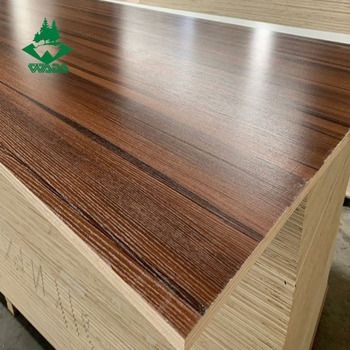
Before diving into the transportation details, let's briefly understand what PVC boards are. PVC (Polyvinyl Chloride) boards are popular in various industries due to their durability, lightweight nature, and resistance to moisture and chemicals. They come in different types, such as PVC LAMINATED BOARD, PVC Faced Board, and PVC FACED MDF, each with unique characteristics and applications.
Pre - Transportation Preparation
Inspection
Before loading the PVC boards onto the transport vehicle, a thorough inspection is essential. Check for any visible defects such as scratches, dents, or warping. This step not only helps in ensuring that only high - quality products are shipped but also helps in identifying any potential damage that may have occurred during storage.
Packaging
Proper packaging is the first line of defense during transportation. PVC boards should be wrapped in protective materials such as plastic sheets or bubble wraps to prevent scratches and minor impacts. For larger orders, the boards can be bundled together using straps or bands. However, it's important to ensure that the bundling is not too tight, as it may cause deformation of the boards. Additionally, placing cardboard or foam between the boards can provide extra cushioning.
Labeling
Each bundle or package of PVC boards should be clearly labeled. The label should include information such as the type of board (e.g., PVC Laminated Board, PVC Faced Board), the quantity, dimensions, and any special handling instructions. This helps the transportation personnel to handle the boards correctly and also makes it easier for the recipient to identify and manage the received goods.

Choosing the Right Transportation Mode
Road Transport
Road transport is one of the most common methods for transporting PVC boards, especially for local or regional deliveries. Trucks are a popular choice as they offer flexibility in terms of delivery locations and schedules. When choosing a truck, consider the size of the load. For smaller orders, a light - duty truck may be sufficient, while larger quantities may require a semi - trailer.
It's important to ensure that the truck has a clean and dry cargo area. Any debris or moisture in the truck can damage the PVC boards. Also, the truck should have proper securing mechanisms such as tie - downs or straps to prevent the boards from shifting during transit.
Rail Transport
For long - distance transportation within a country, rail transport can be a cost - effective option. Railcars can carry large volumes of PVC boards, and the relatively stable movement of trains reduces the risk of damage compared to some other modes of transport. However, rail transport may require additional handling at loading and unloading points, so proper care must be taken during these processes. The boards should be loaded onto the railcars in a stable and secure manner, and any gaps should be filled to prevent movement.
Sea Transport
If you are exporting PVC boards, sea transport is often the most economical option for large - scale shipments. Containers are commonly used for sea transport. The PVC boards should be packed in containers in a way that maximizes space utilization while ensuring their safety. It's important to consider the humidity and temperature conditions inside the container, especially for long - haul sea voyages. Using moisture - absorbing materials inside the container can help prevent moisture damage to the boards.
Handling During Transportation
Loading
During the loading process, it's crucial to handle the PVC boards gently. Forklifts or cranes can be used for loading, but the operators should be trained to handle the boards properly. The boards should be loaded in an orderly manner, with heavier bundles at the bottom and lighter ones on top. This helps in maintaining the stability of the load.
Securing the Load
Once the boards are loaded, they need to be properly secured. As mentioned earlier, tie - downs, straps, or nets can be used to prevent the boards from shifting. The securing mechanisms should be tightened enough to hold the boards firmly but not too tight to cause damage. Regular checks should be made during the journey to ensure that the load is still secure.
Unloading
Unloading should also be carried out with care. Similar to loading, gentle handling is required to avoid damage to the boards. The unloading process should follow the reverse order of loading, starting with the top - layer bundles.
Environmental Considerations
Temperature and Humidity
PVC boards can be affected by extreme temperatures and humidity. High temperatures can cause the boards to warp or deform, while high humidity can lead to moisture absorption, which may affect the board's quality. During transportation, it's important to control the temperature and humidity as much as possible. For example, in hot climates, using insulated trucks or containers can help keep the internal temperature stable. In humid environments, moisture - proof packaging and the use of desiccants can be beneficial.
Weather Conditions
Weather conditions such as rain, snow, or strong winds can also pose a threat to the PVC boards during transportation. If adverse weather is expected, appropriate precautions should be taken. For example, if it's raining, the boards should be covered with waterproof tarps. In case of strong winds, the load should be double - checked to ensure its stability.
Insurance and Documentation
Insurance
It's advisable to obtain insurance coverage for the PVC boards during transportation. This provides financial protection in case of any damage or loss during transit. Different insurance policies offer different levels of coverage, so it's important to choose a policy that suits your needs.
Documentation
Proper documentation is essential for a smooth transportation process. This includes bills of lading, packing lists, and certificates of origin. The bills of lading serve as a contract between the shipper and the carrier, specifying the details of the shipment. The packing list provides information about the contents of each package, and the certificate of origin indicates where the PVC boards were produced.
Conclusion
Transporting PVC boards requires careful planning and attention to detail. By following the steps outlined above, from pre - transportation preparation to handling during transit and considering environmental factors, we can ensure that the PVC boards reach our customers in excellent condition.
If you are interested in purchasing our high - quality PVC boards, including PVC LAMINATED BOARD, PVC Faced Board, and PVC FACED MDF, please feel free to contact us to start a procurement negotiation. We are committed to providing you with the best products and reliable transportation services.
References
- Plastics Industry Association guidelines on PVC products handling and transportation.
- Best practices in the packaging and shipping of building materials guidebook.


