


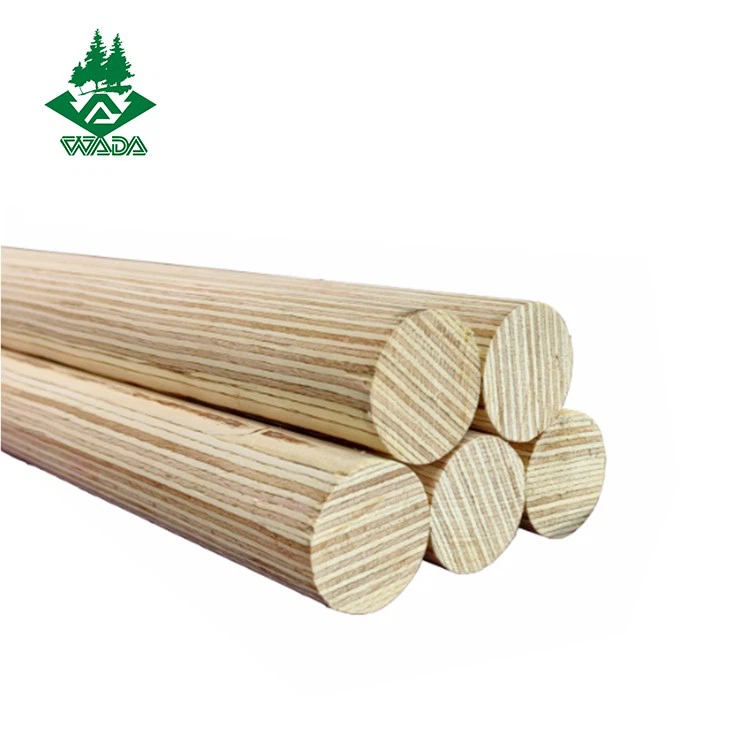
Hey there! As a wood stick supplier, I've been getting a lot of questions lately about how to make wood sticks more slippery. Whether you're using Wooden Dowel Sticks for crafts, Hight Strength LVL Broom Handles for cleaning, or Wooden Dowel Rods for Crafts for some DIY projects, a slippery wood stick can sometimes make your work a whole lot easier. So, I thought I'd share some tips and tricks on how to achieve that.
Why Make a Wood Stick Slippery?
First off, let's talk about why you might want to make a wood stick slippery. There are a few reasons. If you're using the wood stick in a mechanical setup, like a joint or a sliding part, a slippery surface can reduce friction. This means less wear and tear on the stick and the other components it's interacting with, and it can also make the mechanism operate more smoothly.
For crafts, a slippery wood stick can be easier to handle. If you're inserting it into something or moving it around, it won't get stuck as easily. And if you're using it as a handle for a tool, like a broom or a paintbrush, a slippery surface can make it more comfortable to hold, especially if your hands get sweaty.
Preparing the Wood Stick
Before you start making the wood stick slippery, you need to prepare it properly. First, sand the stick. Use a fine-grit sandpaper, like 220 or 320 grit. Sanding helps to smooth out the surface of the wood, removing any rough spots, splinters, or uneven areas. This is important because a smooth surface will hold the slippery coating better and will also be more slippery on its own.
Start by sanding the entire stick in the direction of the wood grain. This will prevent the sandpaper from scratching the wood and leaving rough marks. After sanding, wipe the stick down with a clean, dry cloth to remove any dust.
Using Oils
One of the simplest ways to make a wood stick slippery is to use oil. There are several types of oils you can use, each with its own advantages.
Mineral Oil
Mineral oil is a popular choice because it's food-safe, odorless, and colorless. It's also relatively inexpensive. To apply mineral oil, pour a small amount onto a clean cloth. Then, rub the oil onto the wood stick in a circular motion, making sure to cover the entire surface. Let the oil soak into the wood for about 15 - 20 minutes. After that, wipe off any excess oil with a dry cloth. You may need to apply a few coats of oil over a few days to get the desired level of slipperiness.
Linseed Oil
Linseed oil is another option. It's a natural oil that dries to form a hard, protective coating on the wood. This coating can make the wood stick slippery and also more resistant to moisture. To use linseed oil, apply it in the same way as mineral oil. However, be aware that linseed oil takes longer to dry than mineral oil. You may need to wait 24 - 48 hours between coats.
Beeswax and Oil Blend
A blend of beeswax and oil can also work well. Beeswax adds a bit of hardness and durability to the oil, creating a long-lasting slippery surface. You can buy pre-made beeswax and oil blends, or you can make your own. To make your own, melt some beeswax in a double boiler and then add an equal amount of oil, like mineral oil or linseed oil. Stir the mixture until it's well combined. Let it cool slightly, and then apply it to the wood stick with a cloth.
Applying Wax
Wax is another great option for making a wood stick slippery. There are different types of waxes you can use, such as paraffin wax, carnauba wax, or beeswax.
Paraffin Wax
Paraffin wax is easy to find and relatively inexpensive. To apply paraffin wax, you can melt it in a double boiler. Once it's melted, dip the wood stick into the wax, making sure to coat the entire surface. Let the wax cool and harden on the stick. You can then buff the stick with a clean, dry cloth to make it even more slippery.
Carnauba Wax
Carnauba wax is a natural wax that's known for its high shine and durability. It's a bit more expensive than paraffin wax, but it can provide a longer-lasting slippery surface. To apply carnauba wax, you can use a waxing block or a liquid wax. Rub the wax onto the wood stick in a circular motion, and then buff it with a cloth to bring out the shine.

Beeswax
Beeswax is a popular choice for woodworking because it's natural and has a pleasant smell. You can use a beeswax block or a beeswax polish. Apply the beeswax to the wood stick in the same way as carnauba wax, and then buff it for a smooth, slippery finish.
Using Lubricants
If you need a more industrial solution, you can use lubricants. There are several types of lubricants that can be used on wood sticks.
Silicone Spray
Silicone spray is a popular choice because it's easy to apply and provides a long-lasting slippery surface. It also repels water, which can be useful if the wood stick will be exposed to moisture. To use silicone spray, hold the can about 6 - 8 inches away from the wood stick and spray it evenly. Let the spray dry for a few minutes, and then wipe off any excess with a cloth.
Graphite Powder
Graphite powder is a dry lubricant that can be very effective. It works by reducing friction between the wood stick and other surfaces. To apply graphite powder, you can sprinkle it onto the wood stick and then rub it in with a cloth. Make sure to wear a mask when working with graphite powder to avoid inhaling it.
Testing and Maintenance
After you've applied the slippery coating to the wood stick, it's a good idea to test it. Try sliding the stick against another surface or using it in the way you normally would. If it's not slippery enough, you may need to apply another coat of the chosen substance.
To maintain the slipperiness of the wood stick, you'll need to reapply the coating periodically. How often you need to do this depends on how much the stick is used and the environment it's in. If it's used frequently or exposed to harsh conditions, you may need to reapply the coating every few weeks or months.
Conclusion
Making a wood stick slippery is not that difficult. By following these steps and using the right products, you can transform an ordinary wood stick into a smooth, easy-to-handle tool. Whether you're a DIY enthusiast or a professional, these tips can help you get the most out of your wood sticks.
If you're interested in purchasing high-quality wood sticks for your projects, we're here to help. We offer a wide range of wood sticks, including Wooden Dowel Sticks, Hight Strength LVL Broom Handles, and Wooden Dowel Rods for Crafts. Contact us to discuss your requirements and start your procurement process.
References
- "Wood Finishing: The Complete Guide" by Robert W. Lang
- "The Woodworker's Handbook" by Lonnie Bird


