


Hey there! As a PVC board supplier, I often get asked about how to join two pieces of PVC board together. It's a common question, especially for DIY enthusiasts and professionals alike who are working on projects that require combining these versatile boards. In this blog post, I'll walk you through the different methods and share some tips to ensure a strong and seamless connection.
Why Join PVC Boards?
Before we dive into the how - to, let's quickly talk about why you might want to join PVC boards. PVC boards are lightweight, durable, and resistant to moisture, making them great for a wide range of applications. Whether you're building a display case, a cabinet, or a simple shelf, sometimes a single board isn't large enough. Joining two or more pieces allows you to create larger structures that fit your specific project needs.
Tools and Materials You'll Need
To join PVC boards, you'll need a few basic tools and materials. Here's a list to get you started:
- PVC Cement or Adhesive: This is the most common way to bond PVC boards. Make sure to choose a cement or adhesive specifically designed for PVC.
- Clamps: These will help hold the boards together while the adhesive dries.
- Measuring Tape and Square: For accurate cuts and alignment.
- Saw: A fine - tooth saw for cutting the PVC boards to the right size.
- Sandpaper: To smooth the edges of the boards before joining.
Methods of Joining PVC Boards
Using PVC Cement
PVC cement is a popular choice for joining PVC boards because it creates a strong, permanent bond. Here's how to do it:

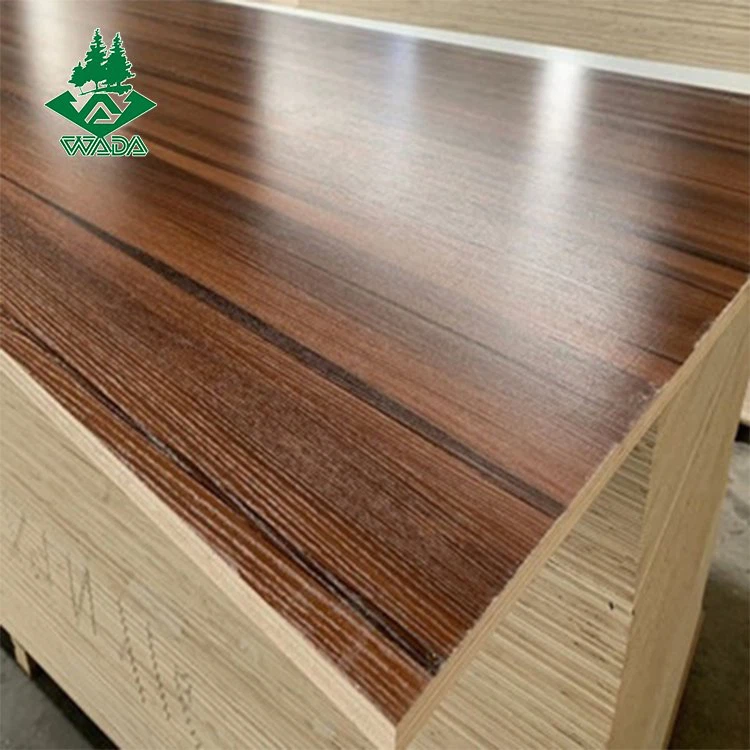
- Prepare the Boards: First, measure and cut the PVC boards to the desired size using a saw. Then, use sandpaper to smooth the edges where the boards will be joined. This helps the cement adhere better.
- Apply the Cement: Apply a thin layer of PVC cement to both surfaces that will be joined. Make sure to cover the entire area evenly.
- Join the Boards: Quickly press the two boards together, aligning them carefully. Use a square to ensure they are at the right angle.
- Clamp the Boards: Once the boards are joined, use clamps to hold them firmly in place. Leave the clamps on for the amount of time recommended by the cement manufacturer. This usually takes a few hours.
Using Adhesive
If you don't have PVC cement or prefer a different option, an adhesive can also work. There are many types of adhesives available, such as epoxy or construction adhesive.
- Surface Preparation: Just like with PVC cement, prepare the surfaces of the boards by cutting them to size and sanding the edges.
- Apply the Adhesive: Follow the instructions on the adhesive tube. Apply the adhesive to one of the surfaces in a zig - zag pattern or in small dots.
- Join and Clamp: Press the two boards together and use clamps to hold them in place. The drying time will depend on the type of adhesive you use. Some adhesives may take a day or more to fully cure.
Mechanical Fasteners
Another way to join PVC boards is by using mechanical fasteners like screws or nails. This method is quicker but may not be as strong as using cement or adhesive.
- Drill Holes: Use a drill to make holes in the boards where you want to insert the fasteners. Make sure the holes are slightly smaller than the screws or nails to ensure a tight fit.
- Insert the Fasteners: Insert the screws or nails through the holes and into the other board. You can use a screwdriver or a nail gun for this step.
Tips for a Successful Join
- Clean the Surfaces: Before applying any cement or adhesive, make sure the surfaces of the PVC boards are clean and free of dust, dirt, and grease. You can use a mild detergent and water to clean them, then dry them thoroughly.
- Work in a Well - Ventilated Area: PVC cement and some adhesives can give off strong fumes. Make sure you're working in a place with good air circulation to avoid inhaling these fumes.
- Test First: If you're using a new type of cement, adhesive, or joining method, it's a good idea to test it on a small piece of PVC board first. This way, you can see how well it works and make any adjustments if needed.
Our PVC Board Offerings
As a PVC board supplier, we offer a wide range of high - quality PVC boards to meet your needs. Check out our PVC Plywood and PVC Faced Board. These boards are made from top - grade materials and are suitable for various applications. Whether you're a DIYer or a professional contractor, our PVC boards are a great choice for your projects.
Contact Us for Your PVC Board Needs
If you're interested in purchasing PVC boards or have any questions about joining them, don't hesitate to reach out. We're here to help you with all your PVC board requirements. Our team of experts can provide you with more information, offer advice on the best products for your project, and assist you with the purchasing process.
References
- "PVC Plastics Handbook" by William V. Titow
- Various product manuals from PVC board and adhesive manufacturers.


