


Hey there! As a packing plywood supplier, I often get asked if packing plywood can be used in electronic product packing to prevent static electricity. It's a super important question, especially considering how sensitive electronic products are to static. So, let's dig into this topic and find out if packing plywood is up to the task.
First off, let's talk a bit about static electricity. Static electricity is basically an imbalance of electric charges within or on the surface of a material. When these charges suddenly discharge, it can create a spark. For electronic products, this can be a real nightmare. A tiny static discharge can fry delicate circuits, cause malfunctions, or even render the product completely useless. That's why it's crucial to use packaging materials that can either prevent the buildup of static or safely dissipate it.
Now, onto packing plywood. Plywood is a versatile material made by gluing together thin layers of wood veneer. It's strong, durable, and relatively inexpensive, which makes it a popular choice for all kinds of packaging. But can it handle the static electricity challenge?
The short answer is: it depends. Regular packing plywood isn't inherently anti - static. Wood is a natural insulator, which means it can hold onto static charges rather than letting them flow away. When you move or handle normal plywood, friction can cause static to build up on its surface. And if an electronic product comes into contact with this charged plywood, there's a risk of static discharge.
However, there are ways to make packing plywood more static - friendly. One option is to treat the plywood with anti - static agents. These agents work by reducing the surface resistance of the plywood, allowing static charges to dissipate more easily. There are different types of anti - static treatments available, such as sprays, coatings, and additives that can be mixed into the glue during the plywood manufacturing process.
Another approach is to use a liner or barrier inside the plywood packaging. For example, you can line the inside of a Plywood Case with an anti - static material like ESD (electro - static discharge) foam or film. This liner acts as a buffer between the electronic product and the plywood, protecting the product from any static charges that might be present on the plywood's surface.
Let's look at some of the benefits of using packing plywood for electronic product packing, even with the static issue. First of all, plywood is very strong. It can provide excellent physical protection for electronic products during shipping and handling. Whether it's a large computer server or a delicate smartphone, plywood can withstand impacts, vibrations, and pressure better than many other packaging materials.
Secondly, plywood is customizable. You can cut, shape, and assemble it into different forms to fit the specific needs of your electronic products. You can create custom - sized Packing Plywood Sheets or build complex cases with compartments to keep different parts of the electronic device separated and secure.
In terms of environmental friendliness, plywood is a great option. It's made from a renewable resource - wood. Compared to some plastic or metal packaging materials, plywood has a lower carbon footprint. And if you source your wood from sustainably managed forests, you're also doing your part for the environment.
Now, let's consider the cost. Using packing plywood can be cost - effective, especially when you factor in its strength and durability. You might need to invest a bit more in anti - static treatments or liners, but in the long run, it can save you money by reducing the risk of product damage due to static or physical impacts.
So, how do you know if packing plywood is the right choice for your electronic product packing? Well, it depends on the level of static protection your product requires. If your electronic product is extremely sensitive to static, like some high - end microchips or medical devices, you might need to take extra precautions. You could use a combination of anti - static treated plywood and high - quality ESD liners.

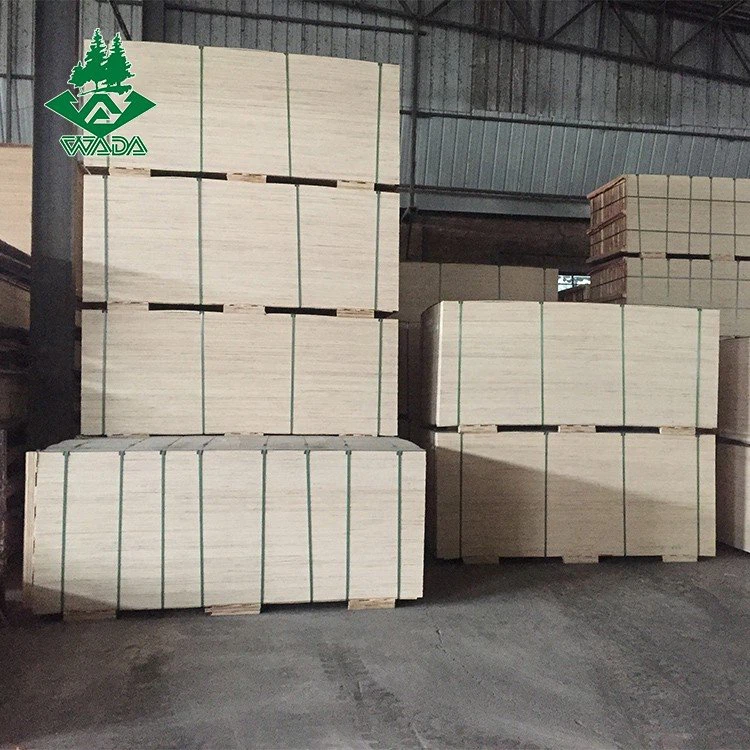
On the other hand, if your product has a moderate level of static tolerance, a simple anti - static treatment on the plywood might be sufficient. You can also test the effectiveness of the anti - static measures by using static testing equipment. This will give you an idea of how well the plywood is preventing static buildup and discharge.
As a packing plywood supplier, I've seen many customers successfully use our Plywood for Packing for electronic product packaging. We offer a range of options, from untreated plywood for less sensitive applications to fully anti - static treated plywood for the most demanding jobs.
If you're in the market for packing materials for your electronic products, I'd love to have a chat with you. We can discuss your specific requirements, the level of static protection you need, and come up with the best packaging solution for you. Whether it's choosing the right type of plywood, applying the appropriate anti - static treatment, or selecting the perfect liner, we're here to help.
In conclusion, packing plywood can be used in electronic product packing to prevent static electricity, but it usually requires some additional steps. With the right treatments and liners, plywood can provide both physical and static protection for your valuable electronic products. So, don't hesitate to reach out if you're considering using packing plywood for your next electronic product packaging project.
References
- "Handbook of Static Electricity" by Eric L. Storms
- "Packaging Materials and Their Applications" by John A. Robertson


