


As a supplier of LVL (Laminated Veneer Lumber) Door Frames, I often get asked whether these frames can be used in cold climates. This is a crucial question, especially considering the unique challenges that cold weather presents to building materials. In this blog, I'll delve into the properties of LVL Door Frames and evaluate their suitability for cold - climate applications.
Understanding LVL Door Frames
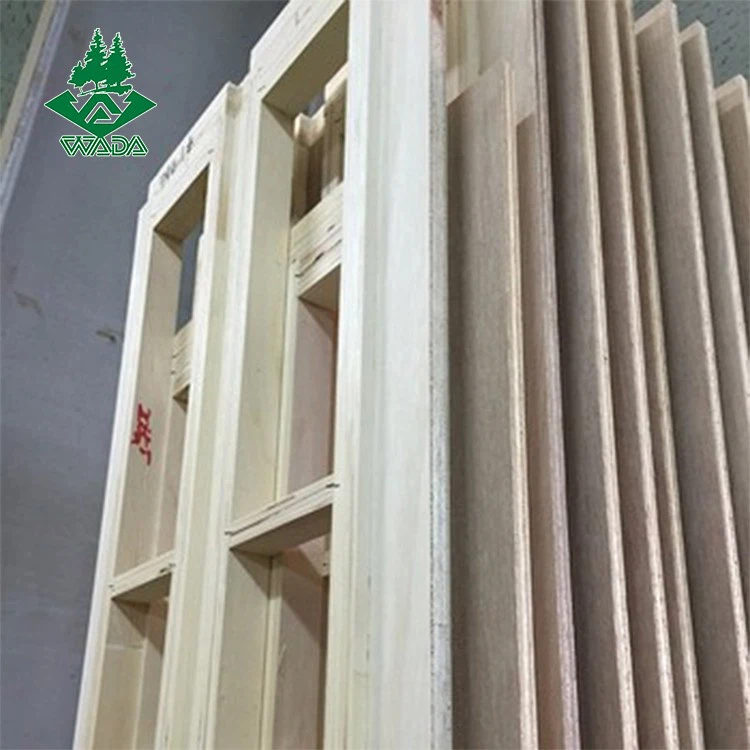
LVL is a type of engineered wood product made by bonding multiple thin layers of wood veneers together with adhesives. This manufacturing process results in a material that is stronger and more dimensionally stable than solid wood. LVL Door Frames LVL Door Frame are pre - fabricated structures that provide support and a secure fit for doors. They are known for their consistent quality, straightness, and resistance to warping, shrinking, and swelling.
Properties of LVL in Cold Climates
Thermal Performance
One of the primary concerns in cold climates is the thermal performance of building materials. LVL has relatively low thermal conductivity compared to metals, which means it can act as a better insulator. Wood, in general, has air pockets within its cellular structure that trap heat, and LVL retains this property. However, it's important to note that LVL is not as good an insulator as some specialized insulation materials. To enhance the thermal performance of LVL Door Frames in cold climates, additional insulation measures can be taken, such as adding weatherstripping around the frame or using insulated doors.
Moisture Resistance
Moisture is a major enemy in cold climates, as it can freeze and cause damage to building materials. LVL is designed to be more resistant to moisture than solid wood due to its manufacturing process. The adhesives used in LVL bond the veneers tightly, reducing the chances of water penetration. However, prolonged exposure to moisture can still be a problem. In cold climates, where snow and ice can melt and seep into the frame, proper waterproofing is essential. Applying a high - quality water - repellent finish to the LVL Door Frame can help prevent moisture absorption and subsequent damage.
Structural Integrity in Cold Temperatures
Cold temperatures can affect the mechanical properties of materials. For LVL, the cold can make the wood fibers more brittle, potentially reducing its impact resistance. However, LVL is engineered to have high strength and stiffness, and in normal cold - climate conditions, it can maintain its structural integrity. The cross - laminated structure of LVL distributes stress evenly, making it less likely to crack or break under normal loads. It's important to ensure that the LVL Door Frame is properly installed and supported to minimize the risk of damage from temperature - related stress.
Installation Considerations in Cold Climates
Site Preparation
When installing LVL Door Frames in cold climates, proper site preparation is crucial. The foundation and the surrounding area should be level and dry. Any snow or ice should be removed from the installation site to ensure a proper fit. If the ground is frozen, it may be necessary to wait for a thaw or use specialized installation techniques to avoid damaging the frame.
Sealant Application
Using the right sealant is essential in cold climates. Sealants help prevent air and moisture infiltration around the LVL Door Frame. In cold temperatures, some sealants may become too stiff to apply properly. It's important to choose a sealant that is specifically designed for cold - weather applications. These sealants are formulated to remain flexible at low temperatures, ensuring a tight seal.
Case Studies: LVL Door Frames in Cold Climates
There have been several successful installations of LVL Door Frames in cold - climate regions. In northern Canada, where temperatures can drop well below freezing, LVL Door Frames have been used in residential and commercial buildings. With proper insulation, waterproofing, and installation techniques, these frames have withstood the harsh winter conditions for many years. Homeowners reported that the LVL Door Frames provided a stable and energy - efficient solution for their doors.
Advantages of Using LVL Door Frames in Cold Climates
Sustainability
LVL is a sustainable building material. It is made from fast - growing trees, and the manufacturing process uses most of the wood, reducing waste. In cold climates, where energy efficiency is a priority, using a renewable material like LVL can contribute to a more sustainable building.

Customization
LVL Door Frames can be easily customized to fit different door sizes and styles. This is especially useful in cold - climate buildings, where unique architectural designs may be required to maximize energy efficiency. Whether it's a large, custom - sized door for a commercial building or a small, energy - efficient door for a residential home, LVL can be fabricated to meet the specific needs.
Limitations and Precautions
Maintenance
LVL Door Frames in cold climates require regular maintenance. Inspecting the frame for signs of damage, such as cracks or water stains, should be done periodically. Any damaged areas should be repaired promptly to prevent further deterioration. The water - repellent finish may need to be reapplied every few years to maintain its effectiveness.
Compatibility with Other Materials
When using LVL Door Frames in cold climates, it's important to consider their compatibility with other building materials. For example, if the frame is in contact with metal components, there may be a risk of galvanic corrosion. Using non - corrosive fasteners and ensuring proper insulation between different materials can help prevent this problem.
Conclusion
In conclusion, LVL Door Frames can be used in cold climates with proper precautions and installation techniques. Their thermal insulation properties, moisture resistance, and structural integrity make them a viable option for doors in cold - weather regions. However, to ensure long - term performance, it's essential to take steps to enhance their insulation, protect them from moisture, and maintain them regularly.
If you're considering using LVL Door Frames LVL Door Frame in your cold - climate building project, I encourage you to reach out for more information. We can provide detailed specifications, installation guidelines, and answer any questions you may have. Whether you need a single LVL Door Jamb LVL Door Jamb or a complete LVL Door Core LVL Door Core, we have the expertise and products to meet your needs. Let's start a conversation about how our LVL Door Frames can be the right solution for your project.
References
- Forest Products Laboratory. (2010). Wood Handbook: Wood as an Engineering Material. U.S. Department of Agriculture, Forest Service.
- ASTM International. (2019). Standards for Engineered Wood Products. ASTM International.
- Building Science Corporation. (2018). Cold Climate Building Handbook. Building Science Corporation.


